Bridging the Gap in Sexual and Reproductive Healthcare Access Across Sub-Saharan Africa
According to fundsforNGOs, a new call is drawing attention to neglected areas of sexual and reproductive health and rights (SRHR) in sub-Saharan Africa.
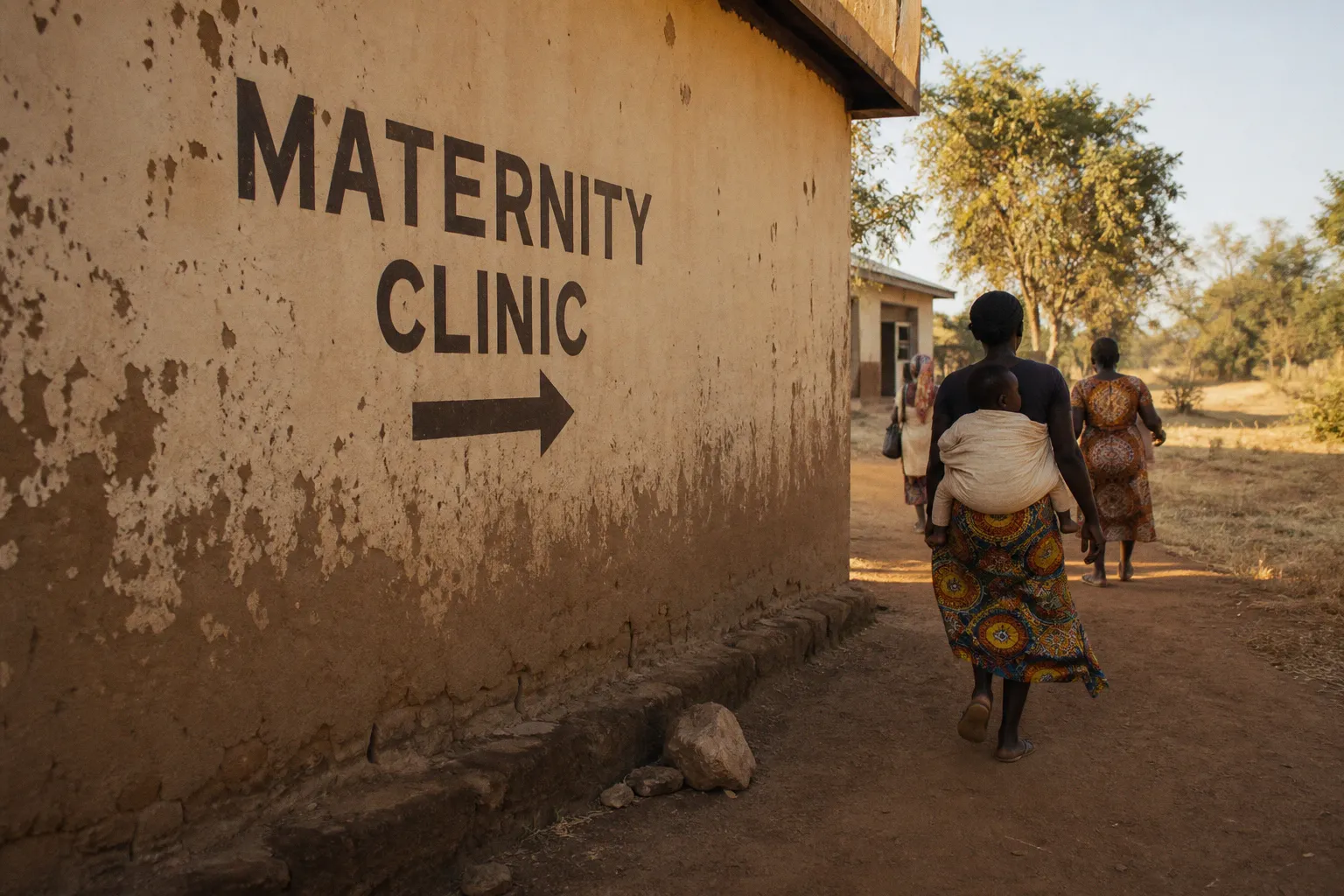
The initiative is aimed at implementation research teams, with funding of up to CAD 1.2 million per project for evidence-based, gender-transformative interventions serving underserved populations. For patients and advocates, the significance is practical: research priorities can shape which gaps health systems measure, fund, and eventually address.
From research to services
The Addressing Neglected Areas of Sexual and Reproductive Health and Rights in sub-Saharan Africa programme, known as ANeSA, is presented as a research funding initiative focused on implementation science. Its stated purpose is to help translate research into practical and scalable health interventions rather than leave findings at the publication stage.
The application process has two stages. Teams first submit a Letter of Interest; selected applicants then proceed to a full proposal. The projects are expected to be led by a researcher in sub-Saharan Africa and to focus on underserved populations.
That structure matters because access barriers are often already visible to patients: services may exist on paper but remain difficult to reach, poorly adapted to local needs, or inconsistent in practice. The available information does not identify the specific projects that will be funded, so it is too early to say which services, countries, or patient groups will see a direct impact.
Disability inclusion remains a documented gap
A separate scoping review published in the Health and Human Rights Journal highlights one area where reproductive healthcare systems continue to fall short: access for autistic people.
The review identified only seven studies that met its eligibility criteria, pointing to a limited evidence base. Across those studies, the reported barriers included inaccessible communication, sensory-hostile clinical environments, fear of stigma when disclosing autism, a lack of reasonable adjustments, and inflexible service models.
These obstacles were associated with distress, reduced participation in healthcare decisions, diminished trust in providers, and, in some cases, avoidance of care. The review describes the problems as structural rather than simply individual. In other words, the issue is not only whether a patient can navigate an appointment, but whether the service is designed to support different communication styles, sensory needs, and decision-making preferences.
The evidence also leaves an important gap around abortion access: only one of the included studies directly examined abortion for autistic people. That limitation makes it difficult to assess how policies and clinical procedures affect autistic patients seeking abortion care.
What advocates and patients should watch
The two developments point to a broader test for SRHR policy: whether funding and rights commitments result in services that are accessible in practice. For research programmes, relevant questions include which underserved populations are included, how patients participate in setting priorities, and whether projects measure changes in real-world access rather than research output alone.
For clinics and patients, the review identifies concrete areas to ask about: communication accommodations, sensory adjustments, flexibility in appointments, and meaningful involvement in healthcare decisions. The available reporting does not establish that any particular provider offers these measures, so they should be checked directly rather than assumed.
Recent headlines have also placed abortion restrictions and the political forces shaping abortion law back into the public debate. But the evidence available here does not provide enough detail to assess any specific ballot initiative, legal proposal, or jurisdiction. The clearest confirmed message is narrower—and important: reproductive autonomy depends not only on formal rights, but also on whether health systems remove structural barriers for the people trying to use them.