New Jersey Reproductive Healthcare Law Sparks Concerns Over Sidewalk Counseling
According to reports from EWTN News and other outlets, New Jersey has enacted a law expanding protections around reproductive and gender-affirming healthcare facilities, prompting pro-life advocates…
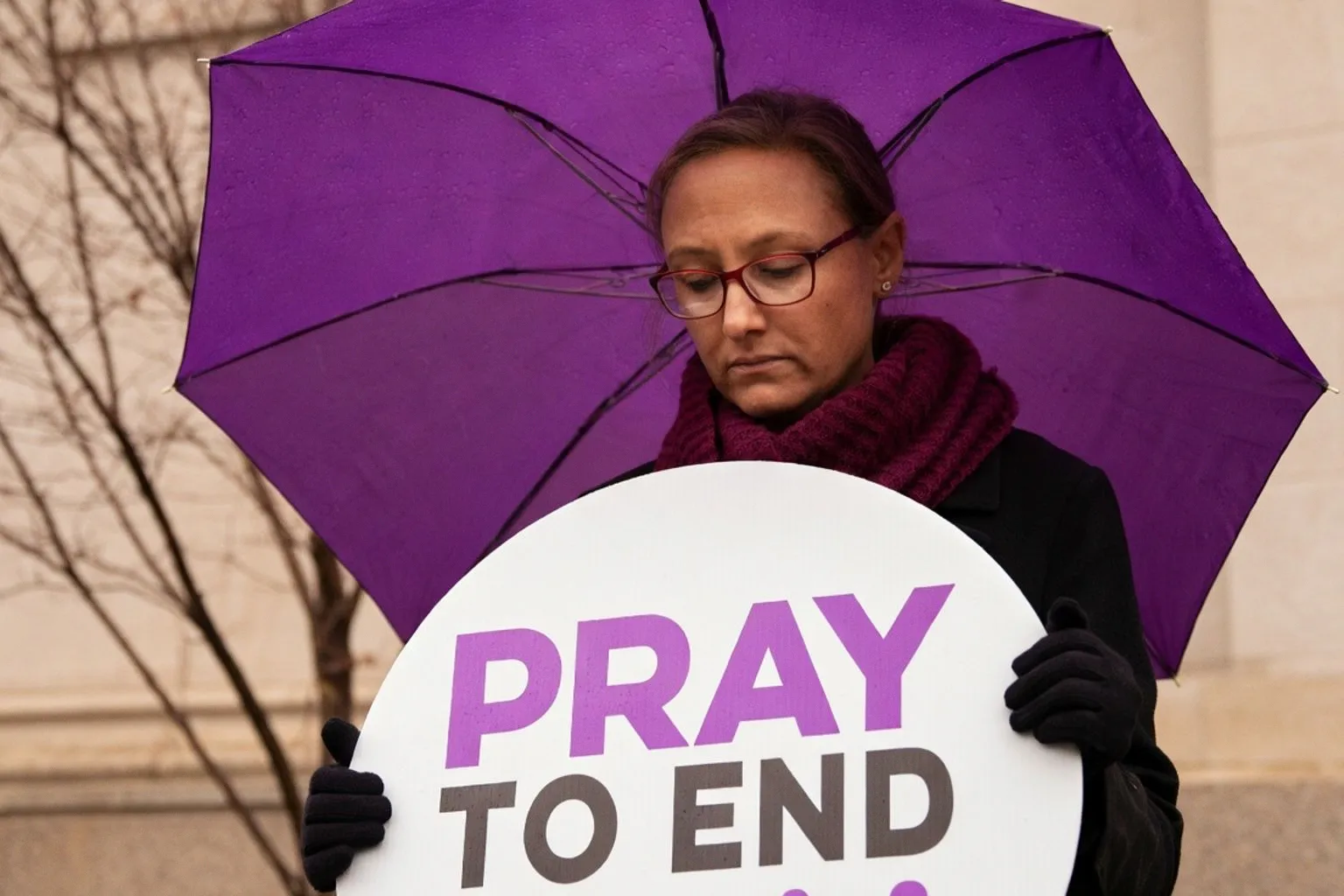
According to reports from EWTN News and other outlets, New Jersey has enacted a law expanding protections around reproductive and gender-affirming healthcare facilities, prompting pro-life advocates to warn that some forms of prayer or sidewalk counseling could expose participants to criminal charges. The law is not described as an explicit ban on prayer, but critics say its language around intimidation, emotional harm and interference could be applied to conduct outside abortion clinics. For patients and clinic visitors, the immediate issue is how the law defines prohibited interference and how access to entrances will be enforced.
What the New Jersey law covers
The measure, identified in reporting as S2260/A2218, creates a state crime involving interference with reproductive healthcare services and extends protections to providers and patients connected with gender-affirming care. Reports say the law addresses conduct including injury, threats, intimidation, intentional obstruction of access and property damage.
It also allows law enforcement to order the dispersal of a gathering that substantially impedes access to, or departure from, an entrance or driveway during a facility’s business hours. One report says the law additionally prohibits filming and sharing videos within 100 feet of an abortion clinic.
Penalties described in the reporting begin at a fourth-degree crime and can include up to 18 months in prison and a $10,000 fine. The law also authorizes civil lawsuits, with more serious consequences possible when injury is involved.
The measure includes shield protections for New Jersey providers and patients against certain investigations originating outside the state. Supporters, including Gov. Mikie Sherrill’s office and Planned Parenthood Action Fund of New Jersey, have presented the law as a measure intended to protect safe and dignified access to care.
Why prayer and sidewalk counseling are at the center of the dispute
The controversy turns on terms such as “intimidate” and “threaten,” which critics say may depend partly on how a reasonable person or an individual experiencing the interaction perceives the conduct. Pro-life organizations argue that peaceful prayer, holding signs, sidewalk counseling or offering alternatives such as adoption could be interpreted as unlawful interference.
That is a warning from opponents, not confirmation that every prayer vigil or sign outside a clinic is now illegal. The reporting available for this article does not establish that New Jersey has categorically prohibited prayer near abortion facilities. It does show that advocates on both sides disagree about how broadly the law could be enforced.
Supporters maintain that the statute is aimed at purposeful interference with access rather than protected speech. The practical dividing line will therefore depend on the conduct involved, its effect on entrances and departures, and how law enforcement and courts interpret the statute’s language.
The debate also places New Jersey within a broader pattern of clinic-access restrictions. Similar “safe access zone” rules have been reported in parts of the United Kingdom, Australia and Canada, with some restricting intentional influence, obstruction, counseling or leafleting near abortion facilities. The scope and wording of those measures vary, so they should not be treated as interchangeable with New Jersey’s law.
What patients, visitors and protesters should watch
For anyone visiting a clinic, the law’s stated purpose is to prevent threats, obstruction and interference with access. Patients may encounter designated enforcement around entrances or driveways, particularly during business hours. The available reporting does not establish new documentation requirements for patients or any change to the care they can receive inside a facility.
People planning to pray, counsel, film or demonstrate near a clinic should not rely on headlines alone. The relevant questions are whether the activity blocks or impedes access, involves alleged intimidation or threats, includes recording within the reported restricted area, or could be treated as interference under the statute. Because the consequences described include criminal penalties and civil claims, anyone organizing such activity should review the law’s exact text and seek advice from a qualified New Jersey attorney.
For reproductive-health advocates, the case is a reminder that access protections can affect not only clinic security but also the boundaries of protest and patient privacy. The next point to track is how the law is implemented: whether arrests or lawsuits follow, which conduct prosecutors classify as interference, and whether courts are asked to resolve the conflict between access protections and First Amendment claims.