Olivia Rodrigo’s Daisy Chain Festival Raises $20 Million for Women’s Healthcare Advocacy
According to Fortune, Olivia Rodrigo’s first Daisy Chain Fields festival drew 45,000 people in Southern California and was tied to $20 million in support for women and girls after Melinda French…
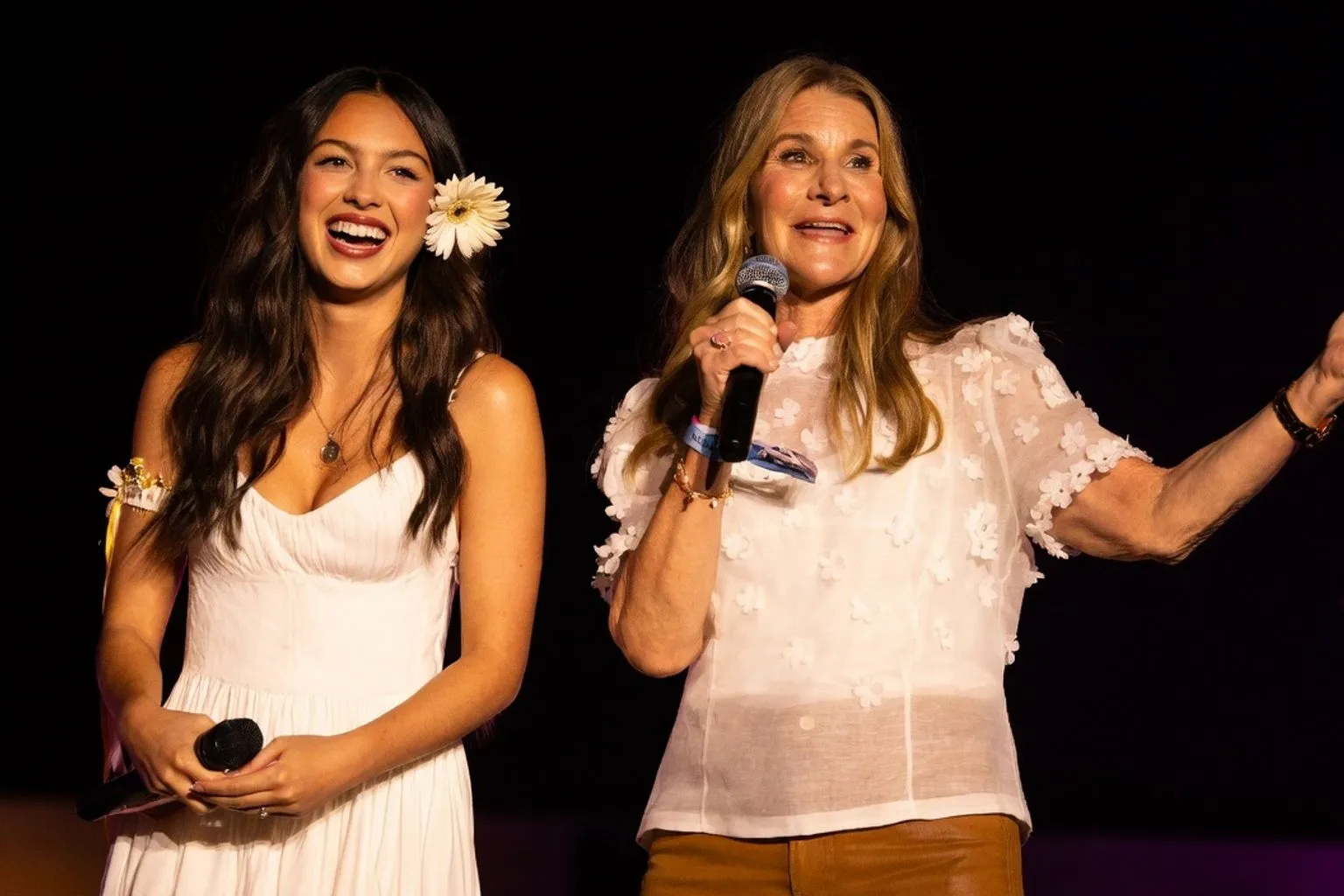
According to Fortune, Olivia Rodrigo’s first Daisy Chain Fields festival drew 45,000 people in Southern California and was tied to $20 million in support for women and girls after Melinda French Gates matched the event’s fundraising. The reproductive-rights connection is explicit: the Center for Reproductive Rights was one of ten organizations selected to share an announced initial allocation of $10 million. The scale makes this a significant advocacy-funding story, but the available reporting does not document any immediate change in patient care. For clinics and readers, the practical question is how the money will reach organizations and what it can ultimately support.
A fundraiser built into the festival
Fortune described Daisy Chain Fields as a mainstream music festival whose lineup featured women artists including Chappell Roan, Mitski, Garbage, Bikini Kill, Doechii, Alanis Morissette, Stevie Nicks, and Rodrigo. The performers donated their appearances, allowing the event to direct proceeds to nonprofit work.
Rodrigo introduced leaders from the beneficiary organizations at a press conference and announced that they would receive $10 million, divided evenly among ten groups. Melinda French Gates later agreed to match the money raised through the festival, bringing the announced total to $20 million.
The beneficiary organizations were not confined to a separate fundraising page. One of the festival’s longest lines led to an area where attendees could learn about all ten nonprofits and collect a button from each, according to Fortune. That made direct public engagement part of the event rather than an afterthought.
Where reproductive rights fit
The Center for Reproductive Rights was among the named beneficiaries, alongside the National Women’s Law Center, the National Domestic Workers Alliance, and Baby2Baby. Fortune said the group also included five other organizations but did not identify them in the available material.
That mix matters when interpreting the announcement. The money is designated for organizations with different missions, so the entire $20 million should not automatically be characterized as funding for reproductive-health services. The reporting establishes support for ten nonprofits; it does not specify how much is restricted to legal advocacy, public education, direct assistance, operations, or other activities.
The event’s origin also gives the fundraiser a wider equity context. Rodrigo drew inspiration from Lilith Fair, the all-women music festival founded by Sarah McLachlan. Fortune reported that the earlier festival had challenged industry assumptions about whether women artists could be presented together successfully.
What patients and clinics should wait for
The available evidence does not describe a new patient grant, insurance benefit, eligibility rule, payment option, or clinic service. It would therefore be misleading to treat the festival total as money that individuals can apply for or as an immediate expansion of healthcare access. The documented beneficiaries are organizations, not individual patients.
Several details will determine the announcement’s practical reach. Follow-up reporting should establish:
- how the matching funds are divided among the ten organizations;
- whether either portion carries restrictions on its use;
- when the organizations will receive the money;
- whether any funding flows to specific downstream programs; and
- what measures, if any, the organizations will use to report outcomes.
A useful accountability distinction is also needed between money announced, money transferred, and money ultimately spent. Fortune’s report supports the first two stages in broad terms: ten organizations were selected, an initial $10 million allocation was announced, and Gates’ match brought the overall figure to $20 million. Until beneficiaries publish allocation and spending details, the defensible takeaway is strong support for women’s organizations—not a documented new benefit for patients.