Niapept
Discover the facts about Niapept anti-aging cream. Read our independent review on its ingredients, manufacturer claims, and what to expect before you buy.
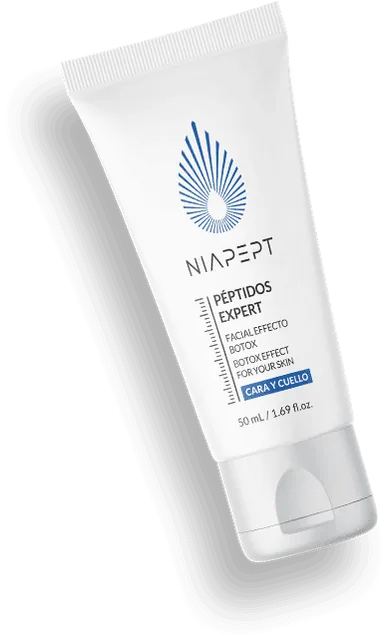
Niapept is an anti-aging cosmetic product manufactured in the form of a cream. It is aimed at individuals looking to address the visible signs of skin aging, such as wrinkles and loss of firmness. According to the manufacturer, this topical application is designed for those seeking an alternative to invasive cosmetic procedures.
- According to the manufacturer, the cream reduces the appearance of wrinkles.
- The manufacturer claims that the product effectively firms the skin.
- According to the maker, it provides a Botox-like effect without the need for injections or painful procedures.
Manufacturer information — not a promise of results.
USD49
Price at the vendor, may differ
View the product at the vendorPrice checked: September 04, 2026
Food supplements are not a substitute for a balanced diet or medical advice. If you have health concerns, please consult a doctor.
Strengths
- Contains well-known cosmetic ingredients like hyaluronic acid and niacinamide.
- Offers a non-invasive topical approach compared to cosmetic injections.
Weaknesses
- The exact concentrations and amounts of the active ingredients are not disclosed.
- There are no independent clinical studies provided to verify the efficacy of this specific product.
- All efficacy claims regarding a Botox-like effect come solely from the manufacturer.
- Sold online, making it difficult to test the texture or verify the packaging before purchasing.
«According to the manufacturer, the cream reduces the appearance of wrinkles.» — Manufacturer statement
Our assessment
When evaluating Niapept, it is crucial to separate the marketing claims from the realistic capabilities of topical cosmetics. The manufacturer asks why a face at 55 can look younger than at 38, claiming a Botox-like effect without injections. While the inclusion of Argireline is notable, as it is a peptide often marketed as a topical alternative to neuromodulators, consumers should maintain realistic expectations. A topical cream cannot penetrate the skin deep enough to paralyze facial muscles in the exact same manner or with the same potency as medical injectables. The effects of cosmetic peptides are generally much more subtle and temporary, working on the surface to slightly smooth the appearance of expression lines.
The supporting ingredients, niacinamide and hyaluronic acid, are well-established in the skincare industry. Niacinamide is widely discussed for its barrier-supporting and tone-evening properties, while hyaluronic acid is a proven humectant that provides immediate, superficial hydration. This hydration can temporarily plump the skin, making fine lines appear less visible to the naked eye. However, because the exact concentrations of these ingredients in Niapept are not disclosed, it is difficult to assess how effectively the formulation utilizes them. A product with trace amounts of an active ingredient will not perform the same as a clinically formulated serum. The product relies entirely on the manufacturer's claims, with no independent studies provided to confirm its specific wrinkle-reducing efficacy.
Ultimately, Niapept is an anti-aging cosmetic cream. As a general rule for health and beauty products, a food supplement is not a medicine, and similarly, a topical cosmetic cannot replace medical dermatology treatments, prescription retinoids, or professional cosmetic procedures. Consumers looking for a non-invasive addition to their skincare routine may find the ingredient profile interesting, but they should approach the promises of drastic, injection-like age reversal with a healthy degree of skepticism. Relying on a single cream to reverse decades of skin aging is not a scientifically sound strategy.
How to use it
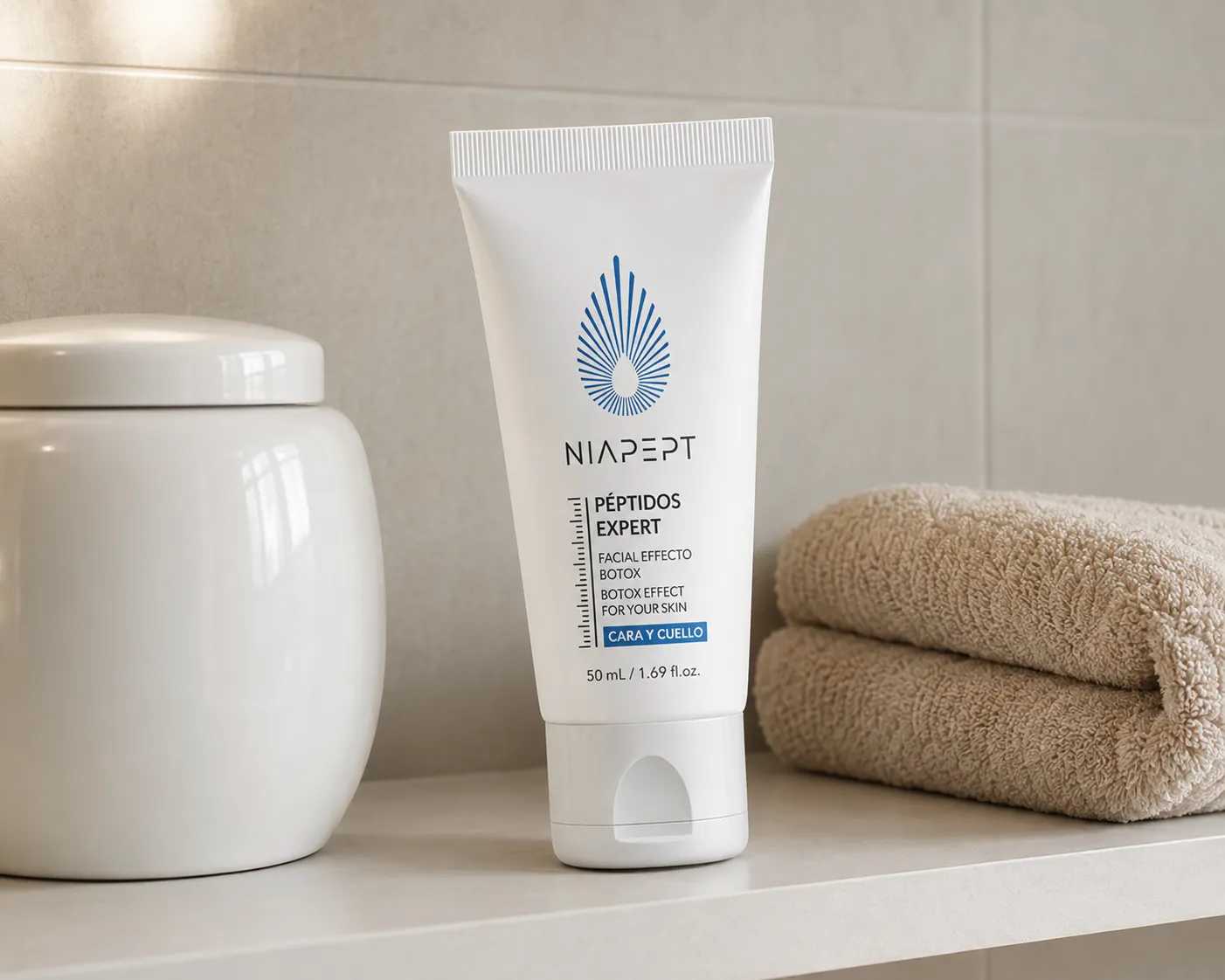
Since the specific application instructions and intake course are not stated by the vendor, users should follow the manufacturer's package insert. It is generally advisable to apply cosmetic creams to clean, dry skin, but exact usage frequency and amounts must be verified through the official product packaging to ensure proper application and avoid potential skin irritation.
Background: understanding Anti-aging cosmetics
The realm of anti-aging cosmetics encompasses a wide variety of topical formulations designed to mitigate the visible signs of intrinsic and extrinsic skin aging. Intrinsic aging is the natural, chronological process dictated by genetics, which leads to a gradual decline in collagen production, slower cellular turnover, and reduced skin elasticity over the decades. Extrinsic aging, on the other hand, is driven by environmental factors such as ultraviolet radiation from the sun, pollution, smoking, and lifestyle choices. Over time, the cumulative combination of these factors results in the formation of fine lines, deep wrinkles, hyperpigmentation, and a general loss of skin firmness and volume that many consumers seek to address.
To address these cosmetic concerns, the skincare industry heavily relies on a combination of humectants, emollients, antioxidants, and cell-communicating ingredients. Humectants, such as various molecular weights of hyaluronic acid or glycerin, work by drawing moisture from the environment into the upper layers of the skin. This provides a temporary plumping effect that can smooth out superficial dehydration lines and give the complexion a more youthful appearance. Antioxidants, including vitamins C and E, as well as niacinamide, are frequently utilized to neutralize free radicals generated by environmental stressors, thereby helping to protect the skin's structural proteins from premature degradation. Peptides, which are short chains of amino acids, are also a staple in this category; they are often incorporated to signal the skin to produce more collagen or, in the case of neurotransmitter-inhibiting peptides, to subtly relax the appearance of expression lines.
Despite the advanced formulations available on the market today, it is highly important to recognize the inherent limitations of over-the-counter cosmetics. The stratum corneum, the outermost layer of the skin, acts as a highly effective barrier, making it difficult for large molecules to penetrate deeply enough to enact profound structural changes beneath the surface. While consistent use of well-formulated anti-aging cosmetics can undoubtedly improve skin texture, hydration, and overall radiance, they cannot replicate the dramatic lifting or volume-restoring effects of medical interventions such as dermal fillers, neuromodulator injections, or laser resurfacing. Therefore, a comprehensive approach to skin aging typically emphasizes prevention, primarily through daily broad-spectrum sunscreen application and a healthy lifestyle, alongside realistic expectations regarding the capabilities of topical skincare products.
Who is this product for?
Worth a look for
- Individuals looking for a non-invasive topical cream for their skincare routine.
- People interested in cosmetic formulations containing peptides and niacinamide.
- Users seeking superficial skin hydration and temporary plumping effects.
Rather not suited for
- Anyone expecting the exact same results as medical cosmetic injections.
- Consumers who require full transparency regarding ingredient concentrations.
- Individuals with severe skin conditions who should consult a dermatologist first.
Reviews: what to look out for
When reading user reviews for anti-aging cosmetics, it is essential to approach the feedback with a healthy degree of skepticism. Skincare is highly subjective, and individual results can vary drastically based on a person's skin type, age, environmental exposure, and overall routine. A product that appears to work wonders for one individual may yield no noticeable changes for another. Furthermore, many online reviews may be influenced by the immediate, temporary plumping effects of hydrating ingredients rather than long-term structural improvements to the skin.
Consumers should be particularly wary of reviews that claim miraculous, overnight transformations or results that perfectly mimic surgical procedures. Authentic user experiences typically describe subtle, gradual improvements in skin texture and hydration over several weeks or months of consistent use. It is also important to remember that anecdotal evidence in customer testimonials cannot replace controlled clinical trials. Always look for balanced reviews that discuss both the positive aspects and the limitations of a product, and keep your own expectations grounded in the biological realities of topical skincare.
Editorial verdict
Niapept may be worth a look for individuals seeking a non-invasive, topical addition to their daily skincare routine who are specifically interested in trying peptide-based formulations alongside standard hydrators like hyaluronic acid. However, it is not suitable for those expecting dramatic, surgical-level results or a literal replacement for medical injectables. Consumers who require clinically proven interventions for severe skin aging, or those who demand full transparency regarding ingredient concentrations before purchasing, should likely explore other options or consult a board-certified dermatologist.
- Argireline (peptide)
- Niacinamide
- Hyaluronic acid
- Argireline (peptide)Argireline is a synthetic peptide that is generally known in the cosmetic industry for its ability to temporarily limit the movement of facial muscles, which is often discussed in the context of reducing the appearance of dynamic expression lines.
- NiacinamideAlso known as vitamin B3, this water-soluble vitamin is widely recognized for its general role in supporting the skin barrier, evening out skin tone, and providing antioxidant properties.
- Hyaluronic acidThis is a naturally occurring glycosaminoglycan known for its exceptional capacity to bind and retain water molecules, making it a common humectant used to hydrate and temporarily plump the skin.
What is Niapept?
Niapept is an anti-aging cosmetic cream that, according to the manufacturer, aims to reduce the appearance of wrinkles and firm the skin.
How does the manufacturer describe the product's main effect?
The manufacturer claims that the cream provides a Botox-like effect without the need for injections or painful procedures.
What are the main ingredients in this cream?
The stated composition includes Argireline (a peptide), niacinamide, and hyaluronic acid. The exact amounts of these ingredients are not disclosed.
Is Niapept a medical treatment?
No. A food supplement is not a medicine, and similarly, this cosmetic cream is not a medical treatment. It cannot cure any skin conditions or replace professional medical procedures.
How should I apply this product?
The specific intake course and application instructions are not stated, so you must follow the manufacturer's package insert for proper usage.
How much does Niapept cost?
The price shown on our page is 49 USD.
Are there independent studies proving it works?
No, there are no independent studies provided for this specific product. All claims of efficacy come directly from the manufacturer.
🛒Where can you buy Niapept?
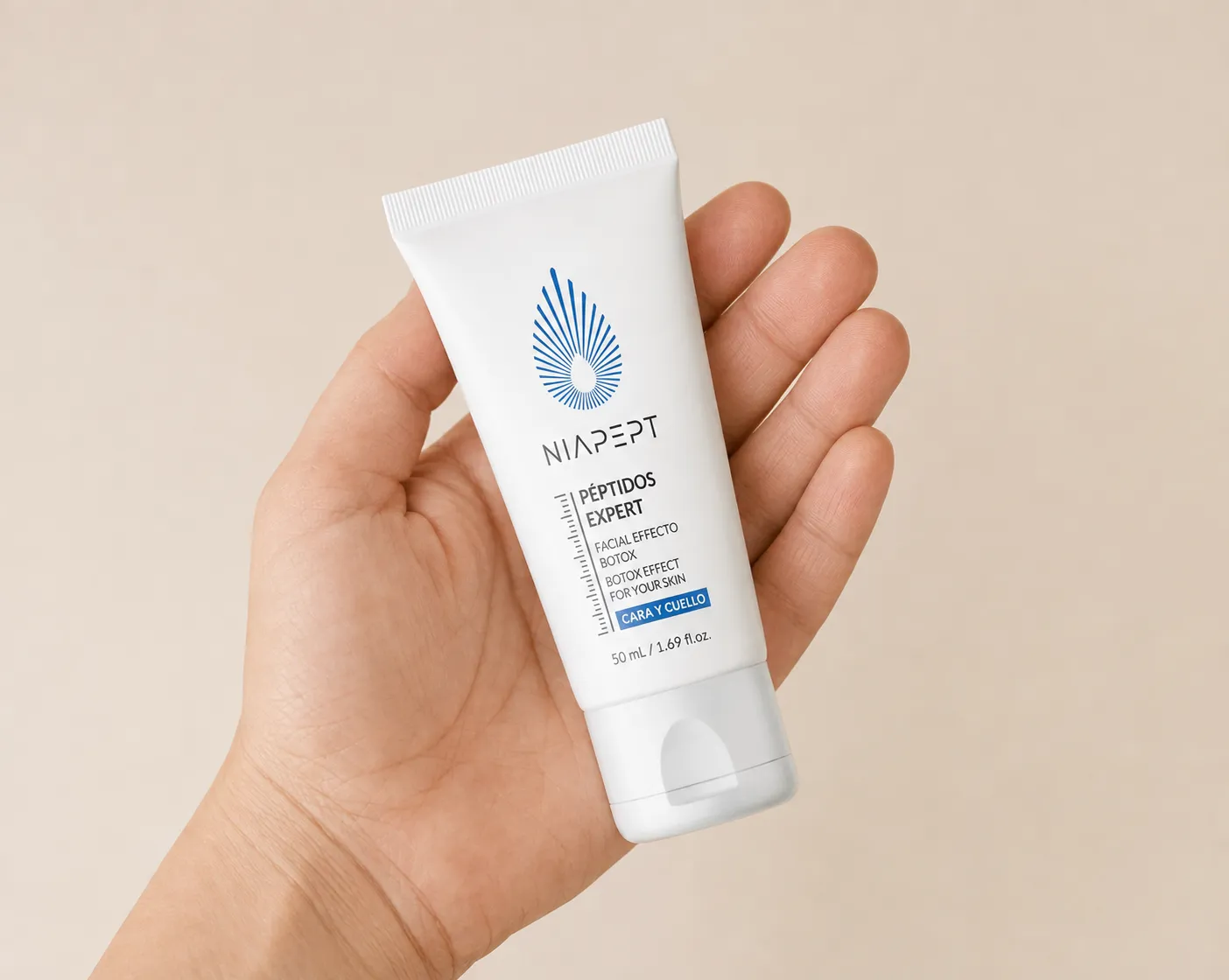
You can order Niapept online only directly from the manufacturer via the official vendor page — that is the only way the current price and the original guarantee apply.
The product is usually not stocked in local pharmacies or drugstores; check the current price and availability with the vendor.
 View the product at the vendor
More products
 Matcha SuriWeight control · USD49
 Harmo BrainMemory · Check the price
 Cleanse 24Gut cleanse · USD49
 OptivellVision · Check the price
Food supplements are not a substitute for a balanced diet or medical advice. If you have health concerns, please consult a doctor.
Advertising/affiliate notice: this article contains a partner link. We may earn a commission on purchases made through it.