Hormonal to non-hormonal birth control transition steps
Switching from hormonal to non-hormonal birth control is not simply a matter of stopping one method and starting another.
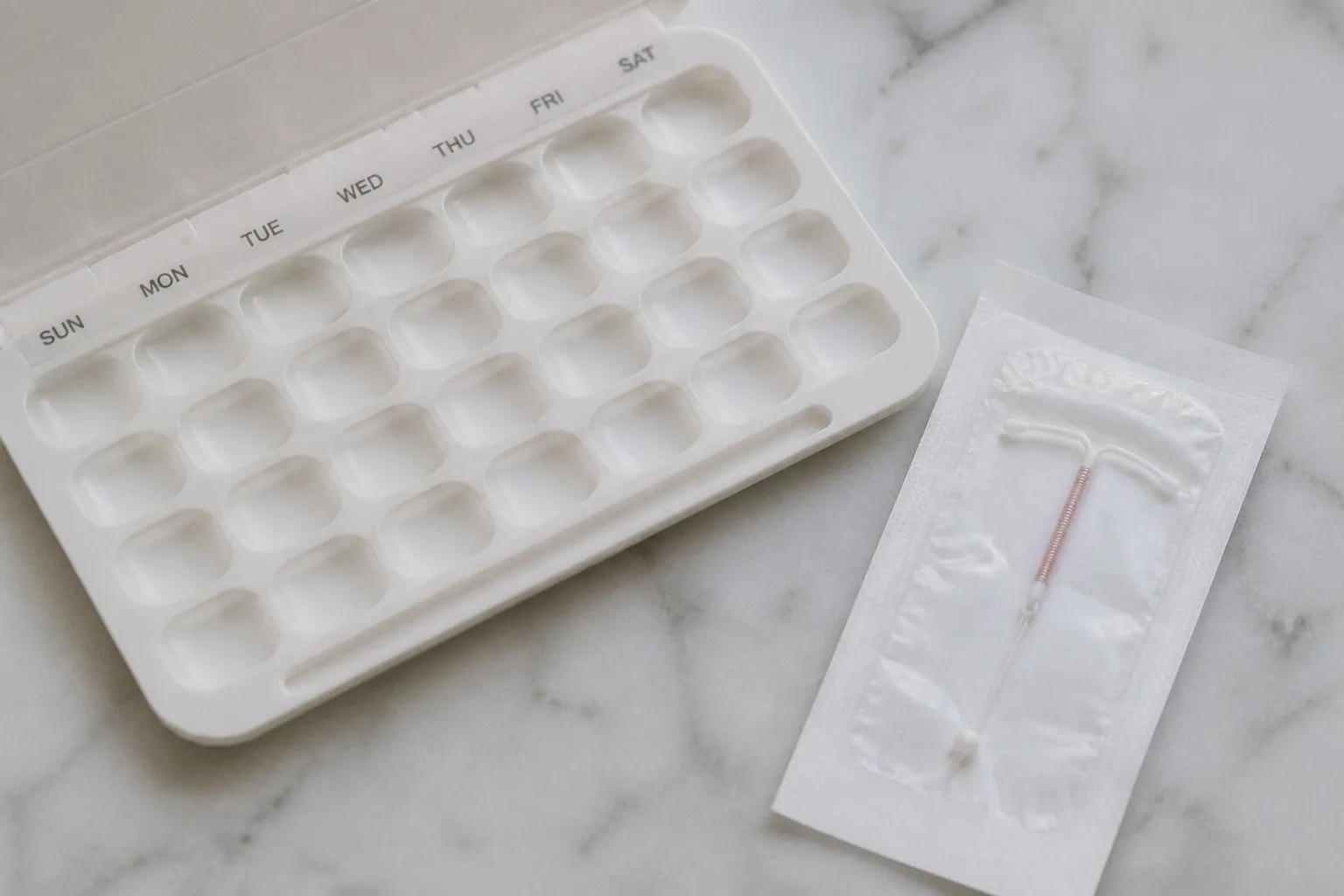
The central issue is continuity: pregnancy protection must not disappear during the handoff, even if the new method seems straightforward.
The transition can also change how the body feels and how the menstrual cycle behaves. A withdrawal bleed may come first, followed by several weeks or months of irregular timing, heavier bleeding, acne, mood changes, or the return of premenstrual symptoms that hormonal contraception had been suppressing. For many people, the adjustment period is roughly three menstrual cycles, but the exact course depends on the method being stopped, the method being started, and the symptoms that existed beforehand.
Start with the protection gap, not the side effects
The safest hormonal to non-hormonal birth control transition begins with a timeline. Write down three dates:
1. The last day the current hormonal method provides reliable protection.
2. The date the non-hormonal method will begin working.
3. The point at which a backup method can be stopped, if one is needed.
These dates are not always identical. A copper IUD, for example, provides contraceptive protection once it has been inserted. A condom protects only during the sex act in which it is used. Fertility awareness depends on identifying fertile days and following the method’s rules consistently. A diaphragm or cervical cap may require correct use with spermicide each time.
That distinction is easy to miss. A person may stop taking pills on a Sunday, plan to use condoms later in the week, and assume the transition is covered. But if there is a period with neither active hormonal contraception nor consistent barrier protection, pregnancy is possible—even if bleeding has not yet started and ovulation has not yet been noticed.
For a planned switch, clinicians commonly recommend an overlap or backup period. Depending on the methods involved, that can mean:
- Starting a barrier method before stopping hormonal contraception.
- Continuing hormonal contraception until a copper IUD is inserted.
- Using condoms during the interval when the old method is wearing off and the new method is not yet dependable.
- Avoiding reliance on cycle tracking until natural bleeding and ovulation patterns are clearer.
- Confirming method-specific instructions before removing an implant, hormonal IUD, or contraceptive injection.
The exact plan matters more than the label “non-hormonal.” Non-hormonal contraception includes methods with very different timing and reliability requirements.
The transition is successful when protection is continuous—not merely when the old method has been stopped.
A practical comparison of non-hormonal options
| Method | How protection is maintained | What the transition requires |
|---|---|---|
| Copper IUD | Continuous contraception after insertion | Arrange insertion before or close to the end of the hormonal method’s protection; confirm timing with a clinician |
| External or internal condoms | Protection during each act of sex | Use from the first potentially fertile encounter and use a new condom each time |
| Diaphragm or cervical cap | Barrier placed before sex, generally used with spermicide | Learn correct placement and use it consistently rather than waiting for cycle symptoms |
| Fertility awareness methods | Avoiding unprotected sex during the fertile window | Allow time to observe natural cycles; early post-hormonal cycles may be difficult to interpret |
| Withdrawal | Depends entirely on timing and ejaculation control | Recognize that it is less forgiving than methods used consistently and does not protect against sexually transmitted infections |
This table is a planning tool, not a ranking. The best option is the one that fits a person’s ability to use it reliably, their comfort with insertion or tracking, their bleeding pattern, and their pregnancy-prevention goals.
How to plan the handoff between methods
From the pill, patch, or ring
The pill, patch, and ring are relatively easy to schedule because their use is visible and their protection has a defined cycle. The main risk is extending a hormone-free interval beyond the method’s instructions.
If the plan is to move to condoms, begin using them before stopping the hormonal method or at the point recommended by a clinician. This creates a practical overlap rather than relying on the assumption that ovulation will take time to return.
A copper IUD can be inserted up to five days after stopping combined oral contraceptive pills or ring use while maintaining contraceptive continuity, according to the clinical facts available for this transition. That does not mean every person should wait five days. Earlier consultation can simplify the timing, particularly if there has been missed contraception or unprotected sex.
If a person has already stopped the pill, patch, or ring, the question becomes more specific:
- When was the last correctly used dose or application?
- Was there sex without a barrier after stopping?
- Has any new method already been started?
- Is emergency contraception relevant?
- Is a copper IUD being considered as both ongoing contraception and an emergency option?
A clinician or sexual-health service can use those details to determine whether a gap exists and what to do next.
From a hormonal IUD or implant
Removal dates should be treated as clinical milestones, not casual calendar events. If a hormonal IUD or implant is removed before another effective method is in place, contraceptive protection may end immediately or sooner than expected.
Guidance commonly recommends an overlap period—often around seven days—when switching from a hormonal method to another contraceptive approach. In practice, this may involve using condoms for the appropriate period before removal, or arranging the new method so there is no unprotected interval.
The plan should account for sex that occurred before removal. Sperm can remain relevant after intercourse, so the calendar cannot be based only on the day the device comes out. If removal has already happened, do not wait for the first natural period before asking about pregnancy prevention. Ovulation can return before the first true menstrual period.
From the contraceptive injection
The transition after a progestin-only injection is less predictable. The return of ovulation may vary, and the exact timeline after long-term use is not universal. It is therefore risky to build the plan around an expected period or a personal prediction of when fertility will return.
A non-hormonal method can be introduced before the injection’s contraceptive effect is assumed to have ended. The safer approach is to establish a date with a clinician or pharmacist based on the injection schedule, then use condoms or another reliable non-hormonal method as directed.
This is one area where a generic stopping-pill timeline does not apply. The injection is not a daily method that can simply be discontinued and observed.
The three-month adjustment phase
The body does not necessarily move from hormonal contraception back to its previous pattern overnight. A commonly used clinical timeframe for adaptation is approximately three months, or three menstrual cycles. During this period, bleeding and symptoms may be uneven.
That does not mean every symptom will last for three months. Some changes appear quickly; others take longer to settle. The three-month window is better understood as a period for observing a new baseline rather than a promise that everything will be regular by a particular date.
Common transition symptoms may include:
- Unscheduled bleeding or spotting.
- A cycle that arrives earlier or later than expected.
- Heavier or more painful periods than experienced while using hormonal contraception.
- Acne or oilier skin.
- Mood fluctuations.
- Return of premenstrual symptoms.
- Changes in cervical mucus and other signs associated with ovulation.
- Anxiety caused by not knowing whether a change is temporary or part of the person’s natural cycle.
Some people experience very little disruption. Others notice a sharp contrast, especially when the hormonal method had made periods lighter, shorter, less painful, or absent.
The phrase “stopping pill side effects timeline” can be misleading because the body is not withdrawing from a single fixed substance in the same way for everyone. The experience depends on what the pill was doing before it was stopped. If it had suppressed ovulation and stabilized the endometrium, the first bleed may not represent a natural cycle. If it had reduced acne or PMS, those symptoms may return as the person’s underlying pattern reappears.
What to track—and what not to overinterpret
A simple record can make the transition less confusing. Note:
- The first day of each bleed.
- Days of spotting between periods.
- Pain intensity and whether pain limits normal activities.
- Skin changes.
- Mood changes and their timing.
- Cervical mucus or other fertility signs, if using a fertility awareness method.
- Dates of condom use or any contraception gap.
- Pregnancy test results when relevant.
Tracking is useful when it supports a decision. It becomes counterproductive when every change is treated as evidence of a serious problem or as proof that ovulation has—or has not—occurred.
A withdrawal bleed after stopping hormonal contraception is an initial response to the change in hormone exposure. It is not necessarily the first natural menstrual period. Natural ovulatory cycles may resume over the following weeks or months. For that reason, bleeding alone should not be used as confirmation that pregnancy is impossible or that the cycle has become predictable.
Natural cycles may reveal what contraception had been masking
Hormonal contraception can change the conditions that produce bleeding, pain, acne, and PMS. When it is discontinued, those symptoms may return—not because the non-hormonal method caused them, but because the hormonal method had been controlling or suppressing them.
This distinction matters when deciding whether the transition is tolerable. A person who had heavy periods before starting the pill may find that the same bleeding pattern returns. Someone who had cyclical acne may notice it again. Someone who used hormonal contraception to manage severe PMS may experience familiar mood or physical symptoms after stopping.
The return of a symptom deserves attention when it affects daily life, becomes progressively worse, or is substantially different from the person’s previous pattern. Heavy bleeding, severe pelvic pain, fainting, symptoms of anemia, or concerning mood changes should not be dismissed as ordinary adjustment.
There is also no requirement to continue with a non-hormonal method simply because it was the original goal. Contraceptive choice can be revised. A method that is theoretically suitable may be impractical in daily use, while a different option may offer a better balance of protection, side effects, cost, access, and control.
When fertility awareness is part of the plan
Fertility awareness can be a meaningful non-hormonal option, but the early transition period is not the easiest time to rely on it without instruction. Hormonal contraception may have altered bleeding patterns and cervical mucus, and the first cycles may not offer a stable pattern to interpret.
A more cautious approach is to:
1. Use condoms or another backup method while observing the first cycles.
2. Learn one defined fertility awareness method rather than combining informal app predictions with guesswork.
3. Record signs consistently.
4. Treat uncertain days as potentially fertile.
5. Seek instruction if pregnancy prevention is a high priority.
Period-tracking apps can record dates, but a predicted ovulation date is not the same as a confirmed fertility sign. The difference becomes particularly important after stopping hormonal contraception, when cycle timing may shift.
Copper IUD timing and the practical route to insertion
The copper IUD is the most durable non-hormonal contraceptive option in the transition plan. It does not depend on remembering a daily or per-act action, and it can provide ongoing contraception once inserted.
Timing still requires coordination. A copper IUD may be inserted up to five days after stopping birth control pills or ring use while maintaining contraceptive continuity, but the appropriate timing depends on the person’s recent contraceptive use and pregnancy risk. An appointment scheduled well in advance is useful because it allows the clinician to review:
- The date and type of the last hormonal method.
- Any missed pills, late changes, or delayed injections.
- Recent sex without a barrier.
- The possibility of current pregnancy.
- Bleeding and pelvic symptoms.
- Whether the person wants the IUD for ongoing contraception, emergency contraception, or both.
- What to expect from copper-related bleeding and cramping.
The copper IUD can make periods heavier or more painful for some people, particularly early after insertion. That tradeoff is central for anyone whose previous method reduced bleeding or menstrual pain. It may be a poor fit for a person already struggling with heavy or painful periods, even if its effectiveness and convenience are attractive.
For a broader overview of non-hormonal contraceptive options, it can help to compare not only effectiveness but also what each method asks of the person using it: scheduling, preparation, access to supplies, comfort with insertion, and tolerance for changes in bleeding.
Managing an unplanned gap
A transition does not have to be perfect to be repaired, but delay makes the options narrower. If hormonal contraception was stopped and sex without a barrier occurred during the gap, contact a healthcare provider, pharmacist, or sexual-health service promptly.
The useful information is concrete:
- The last dose, application, injection, or device removal.
- The date and type of sex.
- Whether ejaculation occurred in the vagina.
- Any emergency contraception already taken.
- The intended ongoing method.
- The date of the last menstrual bleeding, while remembering that a withdrawal bleed may not be a true period.
Emergency contraception may be appropriate depending on timing and circumstances. A copper IUD can sometimes serve as emergency contraception as well as ongoing non-hormonal birth control, but the timing and eligibility must be assessed clinically.
Pregnancy testing may also need to be repeated. A test taken too soon after sex can be falsely reassuring, and the timing of a test should be discussed with a clinician or followed according to the product instructions and local medical guidance.
A transition plan that works in real life
The most reliable plan is usually the least complicated one the person can maintain. Before stopping hormonal birth control, decide:
- Which non-hormonal method will be used first.
- Whether it must be started before the hormonal method ends.
- How many days condoms or another backup method will be used.
- How an IUD appointment will fit with the final pill, ring, patch, implant, or injection date.
- What symptoms are expected and what symptoms would prompt medical care.
- When to take a pregnancy test if the timing becomes uncertain.
- How to obtain emergency contraception if a gap occurs.
Do not use the three-month adjustment window as a reason to tolerate symptoms that are severe or worsening. It is a useful frame for ordinary cycle changes, not a diagnosis. Likewise, do not assume that the absence of a period means the method is working or that fertility has not returned.
The transition from hormonal to non-hormonal birth control is ultimately a coordination problem: contraception, cycle changes, symptoms, and access all have to be considered together. A planned overlap protects against the most preventable mistake—a gap in coverage. Patient observation then helps distinguish temporary adjustment from the return of a condition that deserves treatment.
The goal is not to force the body into a particular timetable. It is to make the change deliberately, preserve reproductive choice during the handoff, and leave room to revise the method if the reality does not match the plan.