Legal Pause Offers Temporary Stability for Medication Abortion Access
According to Reuters, a multi-state lawsuit seeking to roll back access to medication abortion has been put on hold, leaving current drug availability unchanged while the case works its way through the courts.
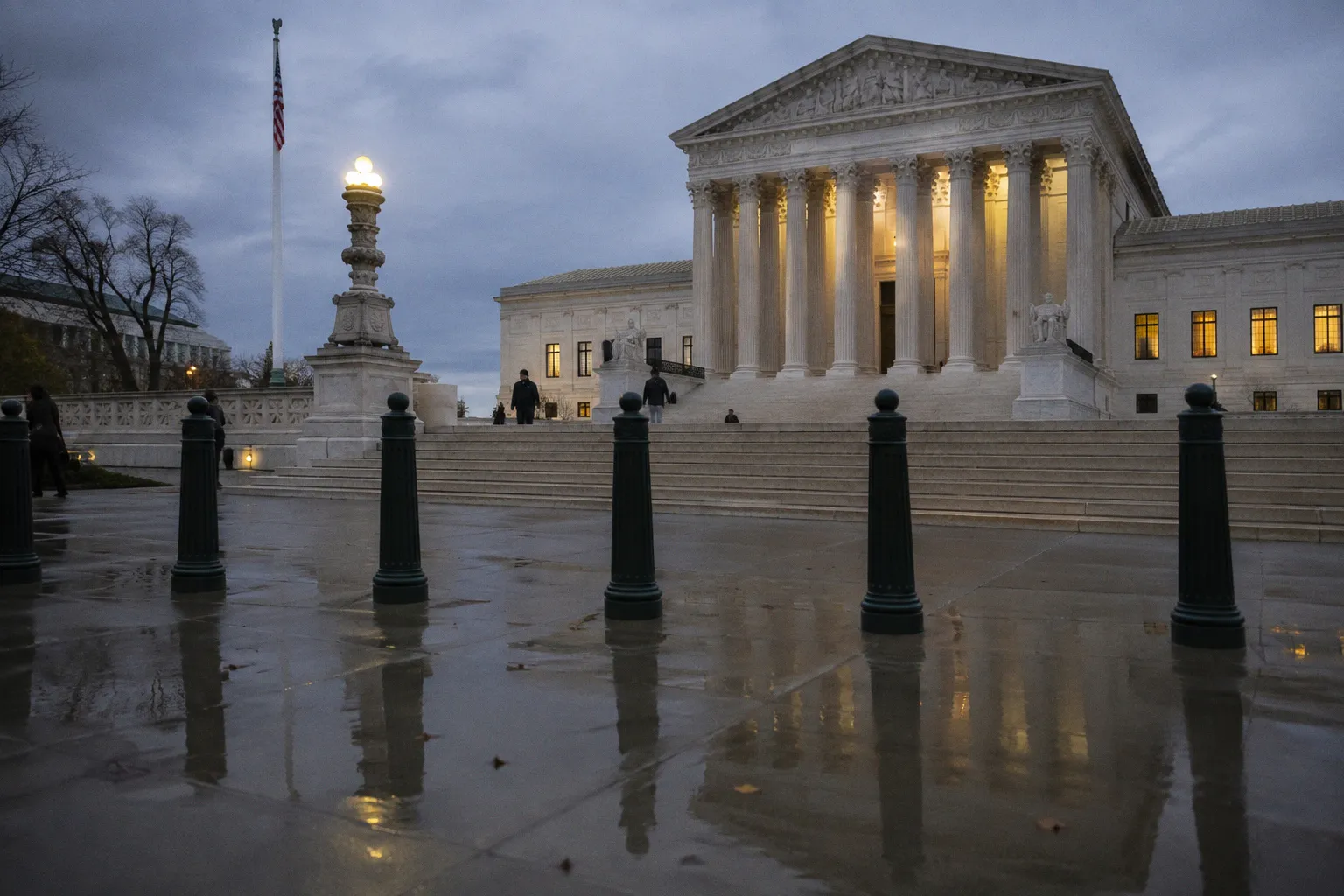
The pause matters because the drug at the center of the suit is the most common method used in US abortion care and remains a focal point of post-Dobbs legal fights — so any change in its status would land directly on patients weighing their options and on the clinicians who prescribe it.
A reprieve, not a resolution
Reuters reports only that the case is paused "for now," with no confirmed timeline for when proceedings will resume. For patients and providers, that means existing prescribing, dispensing, and telehealth rules in states where the drug remains legal continue to apply, but the underlying legal threat has not been withdrawn. Anyone planning care should treat today's rules as temporary: confirm with a chosen provider that they are still operating under current authorizations, keep written records of appointments and prescriptions, and check for any new court filings before scheduling travel for treatment.
The patchwork widens
Even with the federal case idling, state-level action is moving in sharply different directions. In California, lawmakers passed a package of reproductive health bills, including AB 2448, which would mandate electronic health record confidentiality for abortion and contraception, according to Reproductive Freedom for All. The legislative package, now with Governor Gavin Newsom, also includes measures aimed at protecting abortion access for veterans — a population that often navigates care through federal channels that interact with state law in complicated ways.
In the opposite direction, Kentucky's attorney general has filed suit against a national nonprofit over its abortion access advertisements, the Kentucky Lantern reports. Coverage from Legis1 frames the broader picture as a patchwork of state restrictions that leaves access uneven depending on where a patient lives. Read together, the developments show how a single federal pause can sit alongside active state fights over privacy, advertising, and clinical rules — meaning the practical map for patients is being redrawn state by state, not case by case.
What to watch
Three threads are worth tracking. First, whether the paused federal case resumes and which states remain plaintiffs, since that will signal whether medication abortion rules nationwide face another round of disruption. Second, whether Newsom signs California's package, including the EHR confidentiality mandate, into law — a step that would reshape how patient records are handled within the state's health systems and could matter for anyone concerned about employer or insurer access to sensitive data. Third, how the Kentucky advertising suit and similar state-level actions affect what information patients can legally receive about their options, a question that can shape access as much as clinic availability itself.