New Campaign Challenges FDA Nominee Over Mifepristone Access Restrictions
Reproductive Freedom for All is running a new digital advertising campaign in Pennsylvania's 7th Congressional District aimed at the nominee to lead the Food and Drug Administration.
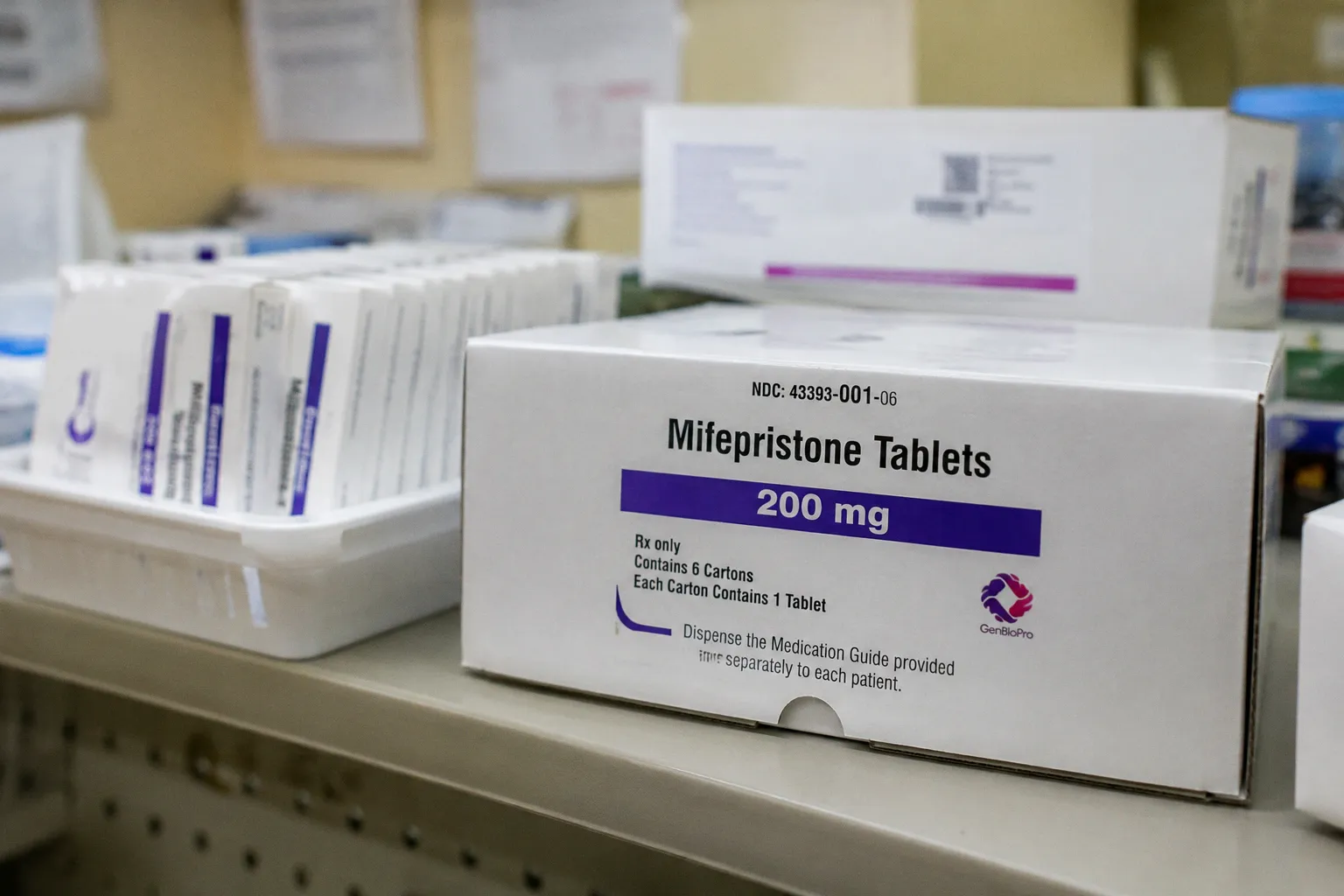
According to the advocacy group, the spot targets Heidi Overton over concerns about medication abortion restrictions — specifically, the regulatory threat of imposing nationwide in-person dispensing mandates for mifepristone. For patients who rely on telemedicine and mail-order pharmacy access, what happens at the FDA commissioner's desk now carries consequences well beyond a single confirmation hearing.
What's at stake with the FDA seat
Mifepristone has been an FDA-approved option for early medication abortion since 2000, and the in-person dispensing requirement was relaxed during the COVID-19 public health emergency. Whether that flexibility becomes the permanent baseline — or is reversed — sits squarely with whoever runs the agency. Reproductive Freedom for All frames the ad as a regulatory warning: a commissioner inclined to reinstate in-person dispensing could narrow access nationwide, even in states where abortion is legally protected. The geography of harm matters here, because patients often cross borders for care and depend on the originating state's regulatory framework.
The broader patchwork
A separate piece of the picture reinforces the same urgency. According to an updated Congressional Research Service report cataloging post-Dobbs state abortion legislation through late August 2026, state statutes now fall into eight distinct regulatory models. The analysis highlights emerging jurisdictional conflicts between restrictive state laws and voter-approved constitutional protections — collisions that show up in real logistics: how far someone has to drive, whether a clinician can legally hand over medication, and what protections actually travel with the patient across state lines.
What to watch
Two tracks deserve attention from anyone tracking access. The first is the Senate confirmation process and any public signal from Overton about mifepristone dispensing rules. The second is how the patchwork of state models continues to interact — particularly among Pennsylvania's neighbors, where cross-border patterns often determine whether a medication abortion is practically available or only theoretically legal. For clinicians, patients, and the advocates supporting both, the next few weeks will clarify whether the FDA pipeline and the state-level map are moving in the same direction or further apart.