Nepal Proposes Major Overhaul to Reproductive Health and Maternity Leave Laws
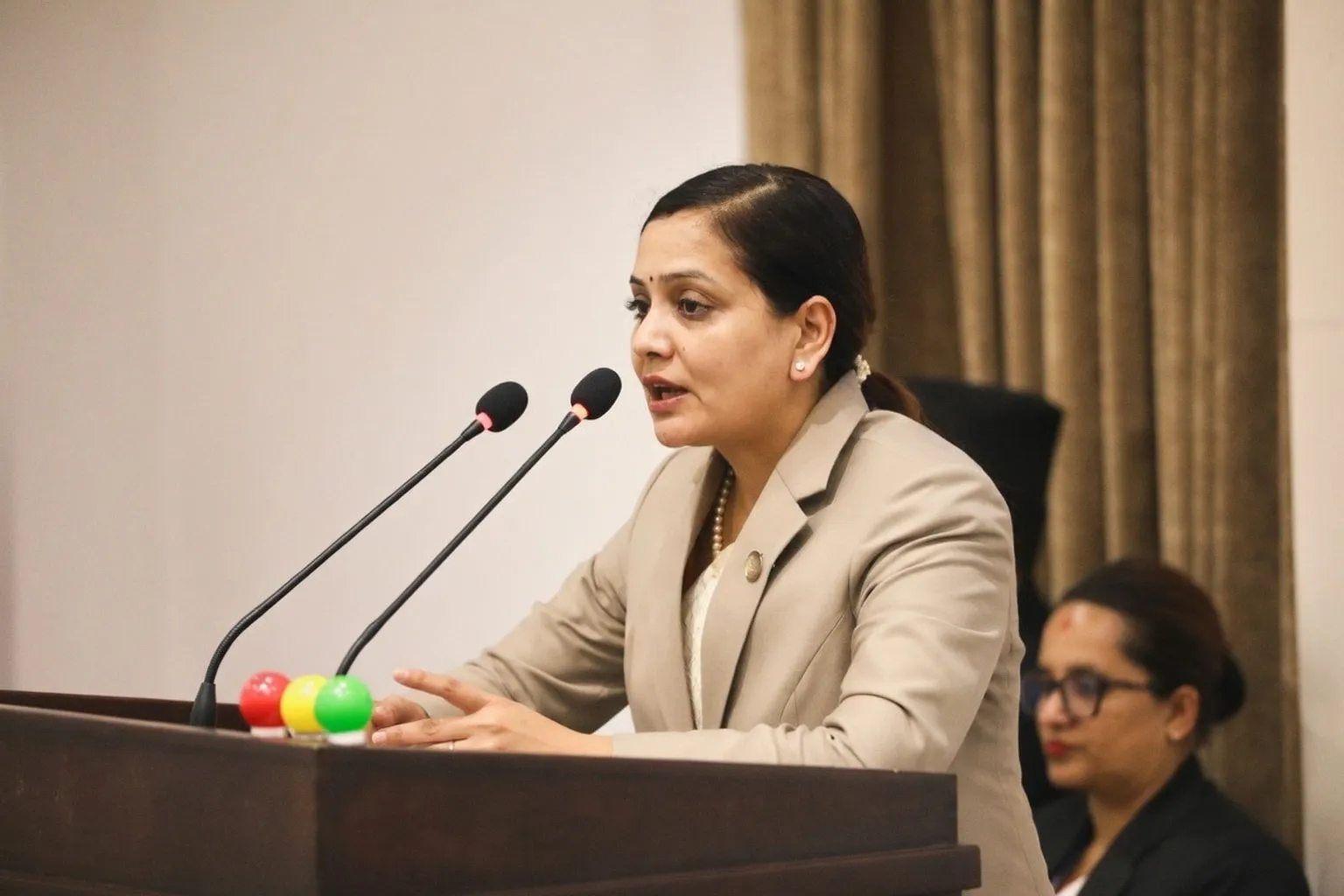
Nepal's Federal Parliament has received a sweeping amendment to the Safe Motherhood and Reproductive Health Rights Act, 2075, tabled by Health Minister Nisha Mehta on behalf of the Ministry of Health and Food Hygiene.
The bill centers on three pillars that matter to anyone working, pregnant, or facing pregnancy decisions in Nepal: expanded paid leave, expanded abortion access, and new criminal penalties for coercion and violence against pregnant and lactating women.
What the leave overhaul actually changes
The headline shift is the leave structure. Under the proposed amendments, any working woman in a government, non-governmental, or private organization would be entitled to at least six months of paid maternity leave, to be taken before or after delivery. The stated purpose, per the bill's text, is to enable full breastfeeding; the broader stated rationale is to address Nepal's declining population growth rate alongside maternal and infant health.
A parallel provision introduces a 42-day paid "maternity care leave" for male employees whose wives are pregnant, framed as mandatory and positioned alongside, rather than as a substitute for, the maternity entitlement. There is also a specific provision for the worst outcomes: women whose pregnancy ends in stillbirth or whose infant dies after birth would receive paid leave of up to 98 days.
Abortion access: where the new ground is
The amendment codifies into law a practice that has long existed in more informal clinical space: a pregnant woman may obtain an abortion of any duration with her consent where the pregnancy results from rape or incest, where she is under 18, or where the fetus has severe abnormalities incompatible with survival.
Equally significant is what is criminalized on the other side. Forced abortion induced by coercion, threat, or temptation becomes a punishable offense, as do acts of physical, mental, or sexual violence against pregnant and lactating women. The bill also directs that maternity and abortion services be prioritized during declared disasters, a clause aimed at a real and recurring gap in emergency response.
Why this matters beyond Kathmandu
The bill's stated dual rationale of addressing a declining population growth rate while strengthening maternal and infant health security will be read differently depending on who is watching. For workers in Nepal's large informal sector, six months of paid leave on paper does not automatically translate into six months of income. For women in rural districts, abortion access in law does not automatically translate into abortion access within reach, particularly for the second- and third-trimester grounds now codified.
The amendments are now before Parliament. Whether the leave provisions are enforceable against private employers, whether the newly codified abortion grounds translate into functioning clinical pathways, and whether the protections for pregnant and lactating women translate into actual enforcement are the questions worth tracking next.