"Please find a reason for speculation and malicious acts."Gender Equality and Family Minister-nomine..
Yong Hye-in, nominee for South Korea's Minister of Gender Equality and Family, held a 34-minute press conference at the National Assembly on September 10 to push back against calls from members of…
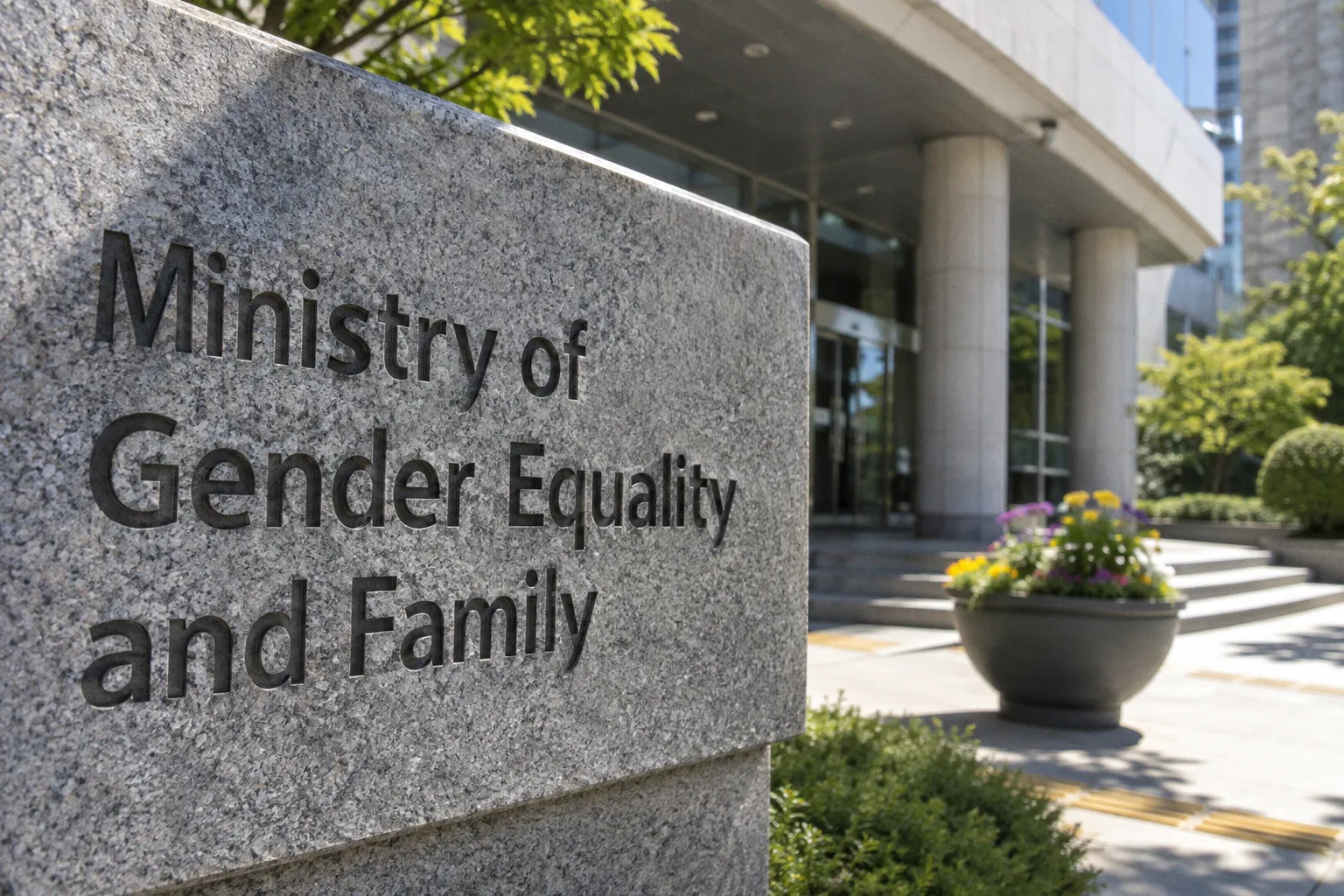
Yong Hye-in, nominee for South Korea's Minister of Gender Equality and Family, held a 34-minute press conference at the National Assembly on September 10 to push back against calls from members of both the ruling and opposition parties that she step aside, according to reporting from and SBS News. The Basic Income Party lawmaker faces questions about alleged preferential treatment during the nomination process and, most controversially, her plan to keep her proportional-representation parliamentary seat while serving as minister. For readers tracking reproductive rights and women's health policy, the fight is not just political theater: the ministry she is nominated to lead sets the framework for gender-equality programs, family policy, and protections that intersect directly with healthcare access in South Korea.
The dual-role dispute
The core controversy, as both outlets report, is whether Yong should surrender her National Assembly seat if confirmed. SBS News quotes her at the press conference arguing that "holding the positions of a member of the National Assembly and a state council member concurrently is permitted by law," and framing her nomination as historically unusual: "Nominating an incumbent opposition lawmaker as a minister is the first case since the DJP coalition during the Kim Dae-jung administration." She pushed back against a Democratic Party spokesperson who had publicly criticized the arrangement, calling it "regrettable that before we could confirm this meaning and explain it in detail to the public, a public statement was posted by the Democratic Party spokesperson, solidifying it into a pre-arranged frame." SBS News also has her arguing that "the principle of representation applies equally to lawmakers from single-member constituencies" and questioning whether the unwritten rule that proportional-representation lawmakers must resign has quietly become "a way for politicians to divide up seats."
A coalition fight with a gender-equality ministry at the center
Yong's nomination has drawn fire not only from the conservative People Power Party but from within the Democratic Party of Korea, the larger coalition partner. reports she used the press conference to criticize the People Power Party as "a political party that served as a gatekeeper for the rebellion by receiving tens of billions of government subsidies," and to take aim at a three-term Democratic lawmaker who had questioned the Basic Income Party's organizational structure. The friction matters because the Ministry of Gender Equality and Family oversees budgets and policy direction for gender-based violence prevention, childcare, and family support — areas that shape the practical environment for women's healthcare access in Korea. Meanwhile the confirmation hearing itself remains unscheduled more than a week after her nomination on August 30, as notes, leaving the ministry in leadership limbo.
What to watch
Public sentiment is running against Yong: polling cited alongside SBS News's coverage shows 63 percent of respondents oppose her nomination, with 47 percent also opposing a separate ministerial nominee, and experts in that context linking the hearings to broader downward pressure on presidential approval. For advocacy readers, the near-term questions are concrete: whether the hearing proceeds at all, whether the dual-role question triggers legislative discussion about proportional-representation rules, and, if Yong is confirmed, how a ministry-led agenda on gender equality survives a parliament where her own nomination barely does. Readers in the reproductive-health space should treat the confirmation calendar as the next signal worth tracking — it sets the pace for everything the ministry could move on next.