How African Courts Are Shaping the Future of Reproductive Rights and Healthcare Access
The United Nations Development Programme has placed judicial leadership at the center of a new conversation about rights, health, and inclusion across Africa, framing courts as decisive actors in…
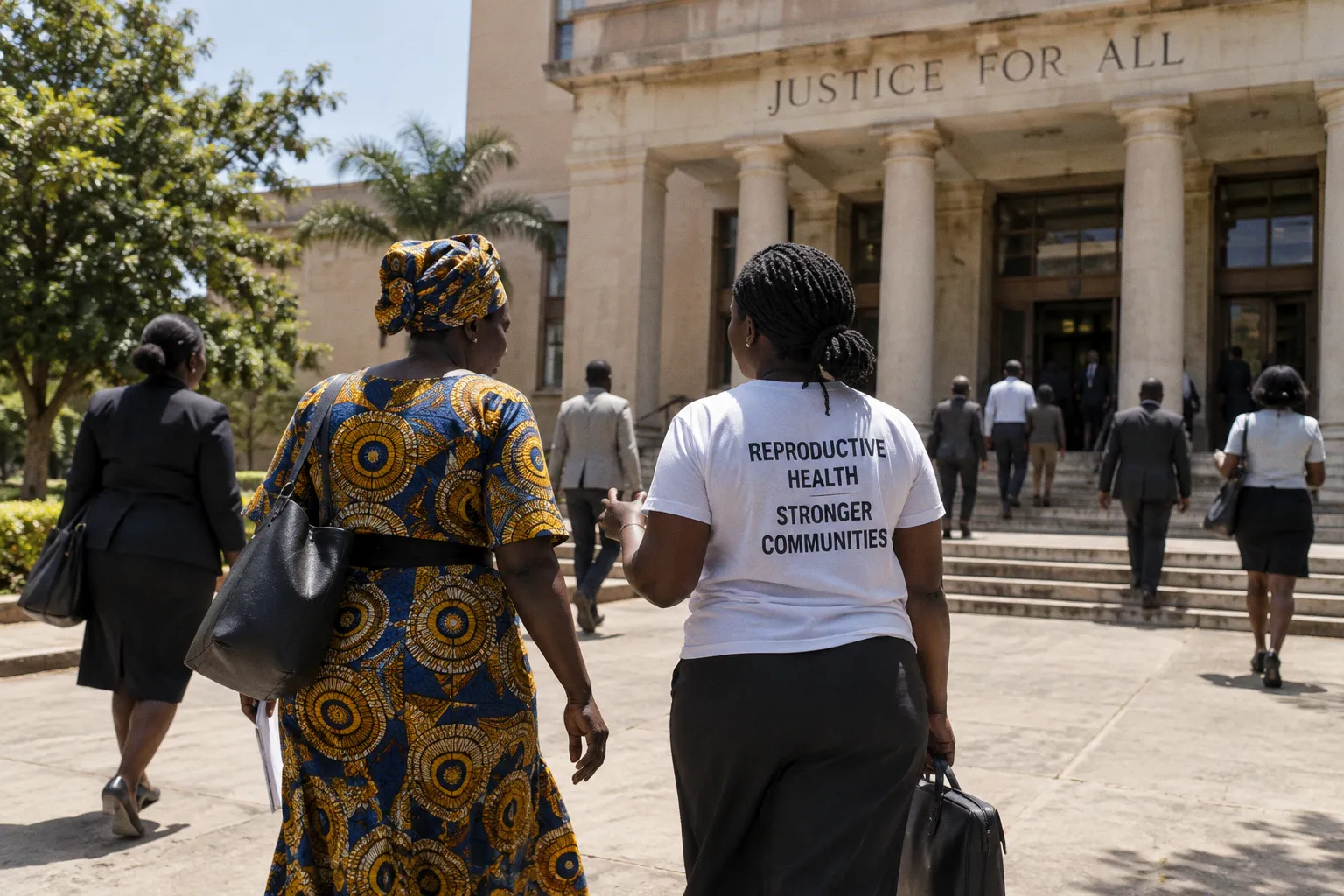
The United Nations Development Programme has placed judicial leadership at the center of a new conversation about rights, health, and inclusion across Africa, framing courts as decisive actors in whether constitutional protections translate into real access to services. Published this week under the heading "Judicial leadership in a changing landscape," the framing lands at a moment when judges, not just legislators, are setting the boundaries of bodily autonomy, maternal care, and legal identity for women and girls across the continent. For patients and the clinics that serve them, the question is no longer whether a right exists on paper, but whether it survives contact with a bench.
Why the bench is the lever
Across African jurisdictions, constitutional courts have repeatedly been the venue where reproductive rights are won, narrowed, or quietly hollowed out — from the scope of exceptions that permit abortion after rape or fetal anomaly, to protections against gender-based violence, to whether adolescents can access confidential sexual and reproductive health services. UNDP's emphasis on judicial leadership reflects an uncomfortable reality: legal text alone does not deliver a clinic visit, a safe delivery, or protection from coerced sterilization. Patient outcomes hinge on whether judges enforce existing guarantees, interpret exceptions broadly or narrowly, and treat regional human rights standards as binding rather than aspirational. A rights-protective constitution in the hands of a restrictive court is, for the patient, indistinguishable from no constitution at all.
The same week, the same fault lines elsewhere
The UNDP framing arrives alongside two pieces that sketch a wider pattern. News Ghana reported on a German Development Cooperation convening where partners tied gender equality and child rights to an inclusive society — a reminder that donor-backed health programming in West Africa is increasingly conditional on measurable progress for women and adolescents. The New Republic, meanwhile, published an analysis of how the Dobbs decision has reshaped abortion access across the U.S. South, documenting what it describes as the near-total collapse of legal protection in several states. Read together, the three reports trace a single fault line running through very different legal systems: courts, foreign-aid conditionality, and post-Dobbs enforcement are all simultaneously reshaping who can get what care, and where.
What patients and advocates should watch next
The practical questions are concrete and overdue. Which African jurisdictions are next in line for rulings that could expand or restrict reproductive autonomy, and which pending cases have clinics already preparing contingency plans? Are donor programs translating maternal-health funding into rights benchmarks that frontline providers can actually document — or are they floating above the facilities they are meant to reach? And in the U.S. South, which remaining state-level shields are about to face their highest test, and where is provider flight already accelerating into maternal-care deserts? Judicial leadership, in every region these stories touch, will be measured not in opinions issued but in whether a patient, on an ordinary Tuesday, can still get the care the law claims to promise her.