Shaping the Next Decade of Global Sexual and Reproductive Health and Rights
According to the World Health Organization, WHO and its UN partners have opened a global public consultation on the forces that could shape sexual and reproductive health and rights (SRHR) over the next decade.
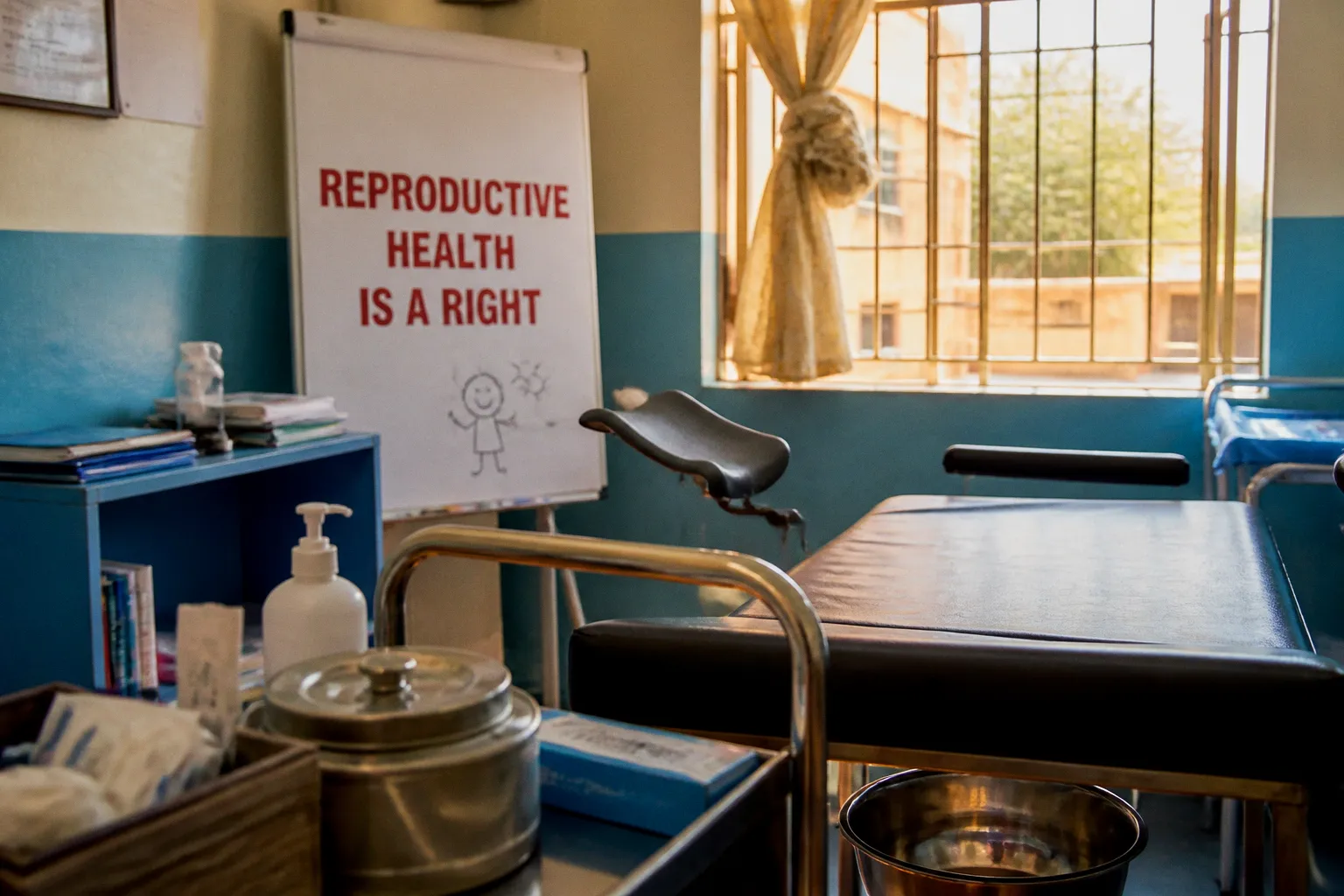
The findings will feed into a future SRHR report and research agenda planned for publication in 2027. For patients, providers, and rights advocates, the consultation matters because it offers a formal route to flag emerging barriers before they become established priorities—or gaps—in international research.
A consultation focused on signals, not predictions
The process is being led by HRP, the UNDP/UNFPA/UNICEF/WHO/World Bank Special Programme of Research, Development and Research Training in Human Reproduction, together with its UN cosponsors: UNDP, UNFPA, UNICEF, WHO, and the World Bank.
Its stated aim is to identify “signals” that may influence SRHR over the next ten years. These may be newly emerging or already visible, large or small, and do not have to originate within the health sector. The consultation is designed to examine potential changes, disruptions, and shifts at global, regional, national, or community level.
That scope is important. SRHR access is shaped not only by clinical services, but also by political, socioeconomic, environmental, and technological change. The consultation therefore invites contributions across the full SRHR agenda rather than limiting responses to one service area or one region.
The organizers describe the exercise as foresight: a structured way to explore plausible futures and assess whether institutions are prepared for them. It is not presented as a prediction of what will happen.
Who can contribute—and what happens to submissions
The call is open to individuals, organizations, and groups whose experience or expertise may offer insight into the future of SRHR. HRP says it is particularly interested in perspectives from health workers, communities, young people, and rights movements that may not yet be represented in published discussions.
For reproductive-rights advocates and frontline providers, that creates an opportunity to document issues that are often visible in practice before they appear in formal research agendas. A submission could address a broad SRHR trend or focus on a specific theme, depending on the contributor’s perspective. The available information does not specify a submission deadline or provide details here about the format or questions in the consultation.
The WHO says responses will be treated as confidential and anonymized before analysis. Individual contributions will not be publicly shared or published. At the same time, HRP and WHO reserve the right to analyze and use submissions for the purposes described in the call, including with the use of artificial intelligence under WHO standards of practice for AI use.
Respondents will be asked to provide descriptive information alongside their submission, including their name, contact email, country, and sector. Anyone considering contributing should therefore read the consultation’s privacy and use conditions carefully before sharing details about themselves, patients, clients, or communities.
Why this matters for access in practice
A future research agenda does not itself change local law, clinic capacity, insurance coverage, or the availability of contraception, abortion, maternal care, or other services. Its significance is more indirect: the issues identified through the process may help determine which emerging risks and unanswered questions receive attention in the next phase of global SRHR work.
Recent developments illustrate why implementation remains central. In Nigeria’s Ekiti State, the government partnered with Onelife Initiative to train healthcare workers in comprehensive, rights-based reproductive health services. Organizers said the program is intended to improve access to information, counseling, and quality care across the state. The training included healthcare providers from different levels of the system and focused on updated knowledge, tools, drug supplies, and counseling techniques.
That example points to a practical question for the global consultation: not only which rights and services should be protected, but what health workers and communities need in order to make access meaningful. For patients, the key issues remain whether accurate information is available, whether care is respectful and non-judgmental, and whether services can be reached in practice.
The consultation’s output is expected in 2027, when the future SRHR report and accompanying research agenda are due to be published. Until then, the most relevant development to watch is how experiences from communities, providers, young people, and rights organizations are reflected in the themes the process ultimately prioritizes.