New WHO Guidelines Expand Access to Flexible Contraceptive Methods
The World Health Organization has released new guidelines recommending a wider range of safe contraceptive options — from extended-use oral pills to longer-lasting implants — in a bid to close the…
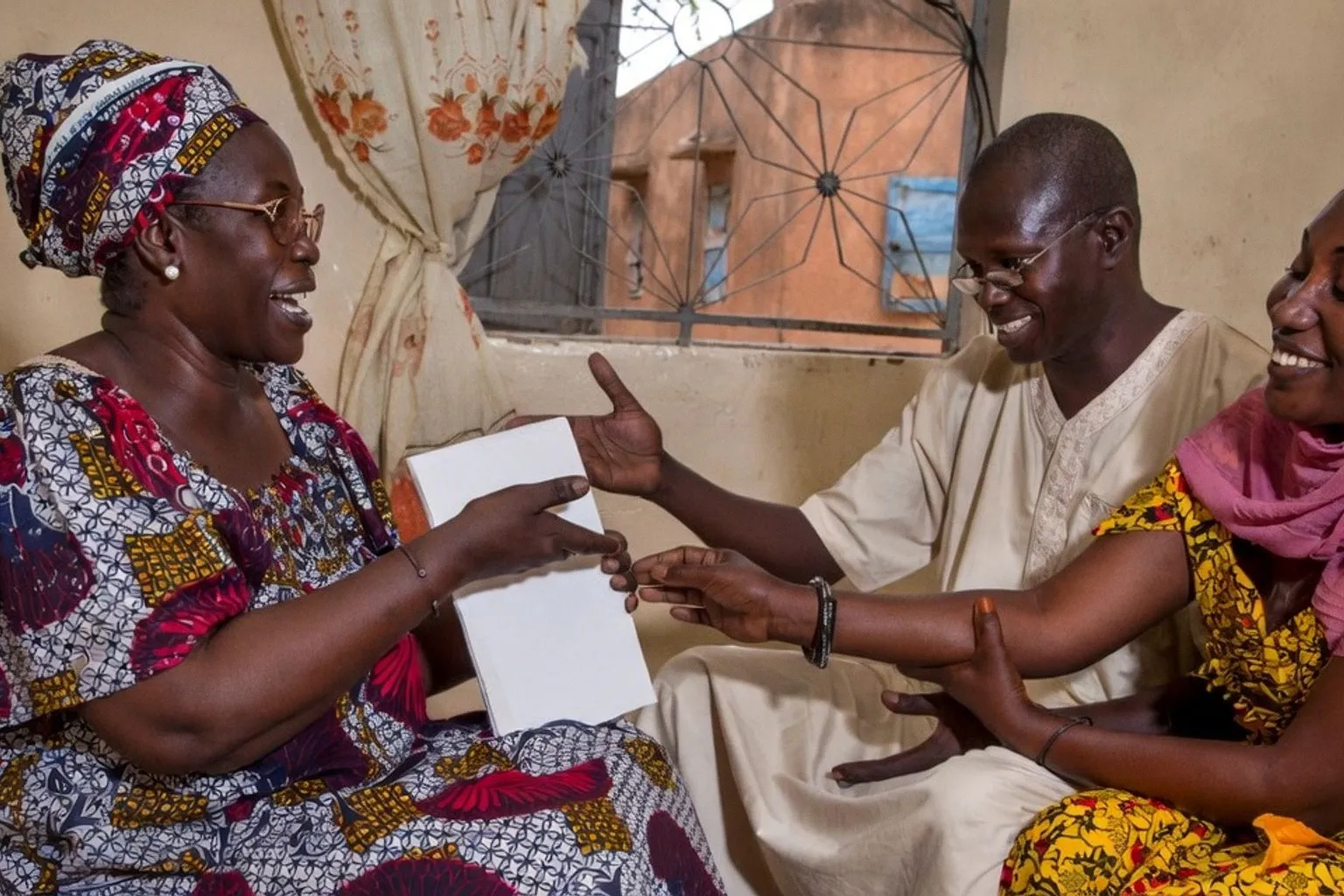
The World Health Organization has released new guidelines recommending a wider range of safe contraceptive options — from extended-use oral pills to longer-lasting implants — in a bid to close the gap for an estimated 164 million women worldwide who want to delay or avoid pregnancy but aren't currently using any method. The guidance, published this week, explicitly frames contraception as a gender equality issue and pushes national programs to broaden choice rather than ration it.
What actually changes for patients
The core shift is flexibility in how existing methods can be used. WHO now recommends that combined oral contraceptive pills can be taken continuously for up to one year, or in extended stretches of up to six months, as an alternative to the traditional three-weeks-on, one-week-off cycle. For anyone who has struggled with withdrawal bleeding, mood shifts, or the logistical headache of monthly refills, this opens the door to a conversation with a provider about a fundamentally different regimen — one already used off-label by many clinicians.
Contraceptive implants can now be supported for use up to five years without replacement, which the organization says could reduce clinic visits and out-of-pocket costs over the life of the device. On emergency contraception, the guidelines formally add mifepristone (10–50 mg) as a recommended option to be taken within five days of unprotected sex, with evidence suggesting it's likely as safe and effective as existing methods.
The guidelines also draw clearer boundaries. WHO is calling for more research on ormeloxifene before it can be included in family planning programs, and is recommending against quinestrol-containing pills in national programs due to limited evidence and reports of serious adverse events — a signal worth knowing if those products are marketed locally.
The access question and what's next for men
"Choice is a gender equality issue," said Pascale Allotey, WHO's Director of Sexual, Reproductive, Maternal, Child, Adolescent Health and Ageing. "Contraception isn't one-size-fits-all. Men and women both need a range of options that reflect what science and innovation can now offer, weighed against convenience, invasiveness, behaviour, reliability and accessibility."
The guidelines name a longstanding imbalance: men currently have relatively few contraceptive options under their direct control — principally condoms, withdrawal, and vasectomy — yet around 30% of couples already rely on a male method. WHO-cited survey data suggests latent demand could be significant: more than 75% of couples said they would be willing to use a new male contraceptive, and more than 85% of women said they would trust their partner to take responsibility. To channel that demand, WHO has published its first Target Product Profile for male contraception, setting benchmarks for safety, effectiveness, acceptability, and affordability that future products should meet.
For patients and providers, the practical takeaway is that national formularies, provider training, and supply chains will need to catch up before these expanded options reach clinics routinely. Worth asking at your next visit: whether your country's program has updated its protocols to allow extended pill regimens and the full five-year implant window, and whether mifepristone is stocked as an emergency option.