The Hidden Toll of Son Preference on Women's Mental Health in Rural India
According to Medical Xpress, a recent report examines how entrenched preference for sons in rural India is shaping women's mental health — a connection that sits at the heart of reproductive…
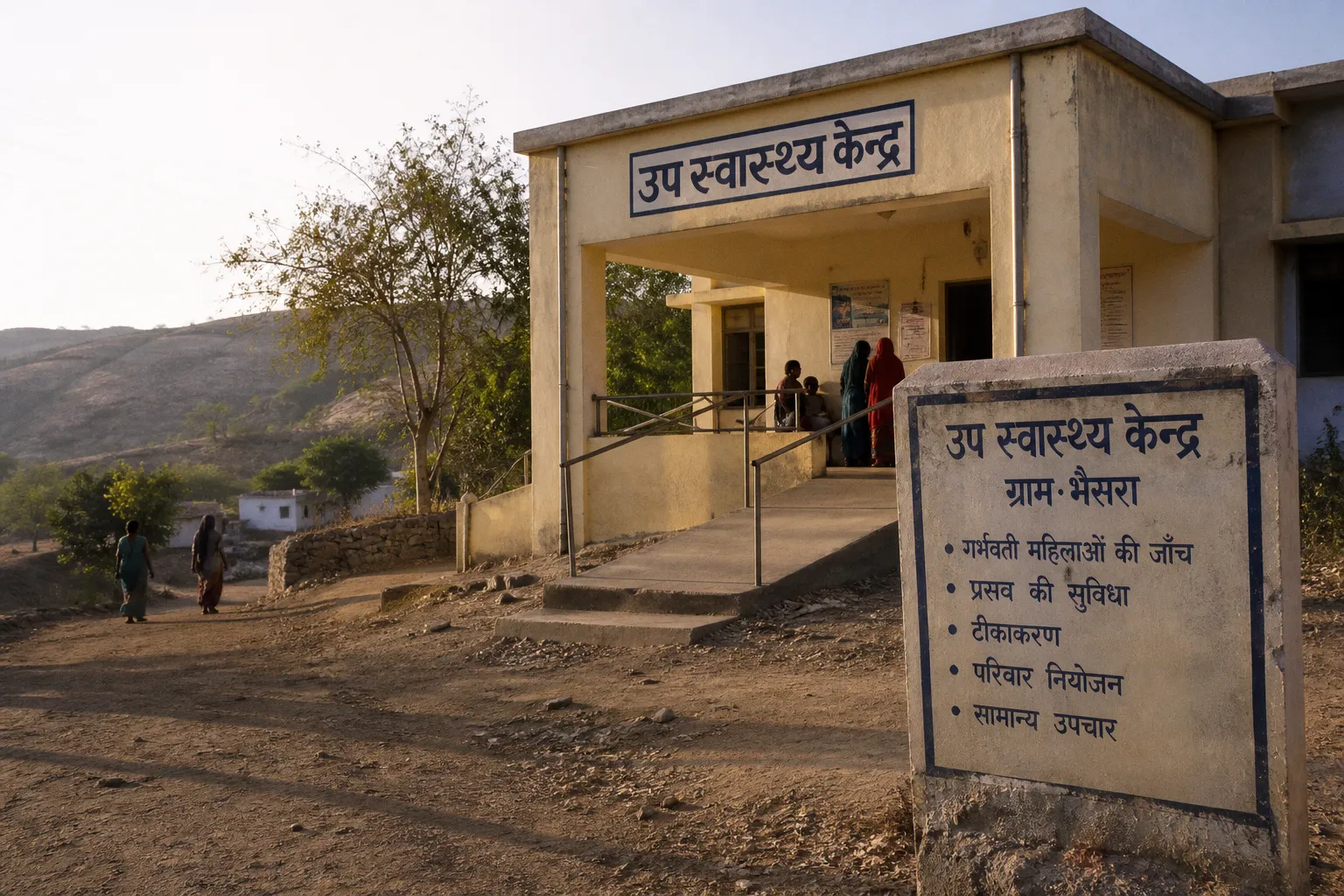
According to Medical Xpress, a recent report examines how entrenched preference for sons in rural India is shaping women's mental health — a connection that sits at the heart of reproductive autonomy, because gender bias inside the household directly affects how women navigate family planning, disclosure of psychological distress, and decisions about whether to seek care at all.
What the framing signals
For reproductive health advocates, the territory is familiar: where women's household value is tied to producing a male heir, the clinical conversation about contraception, pregnancy choice, and mental wellbeing becomes harder to surface. Medical Xpress's framing places this in rural India — a setting where mental health infrastructure is already thin and where confidential channels for women to discuss symptoms with a clinician are scarce. The takeaway is that reproductive autonomy is not only about legal access to services; it is about whether a woman feels safe enough to choose and voice what her body needs.
The rural access problem is not regional
The dynamic the Medical Xpress piece surfaces shows up in different forms elsewhere. In rural Alabama, Auburn University's College of Nursing is partnering with East Alabama Health to open the East Alabama Community Prenatal Clinic on Sept. 1, 2026, at the EAMC-Lanier Rural Emergency Hospital campus in Valley. Operating Tuesdays and Fridays, 8 a.m. to 4 p.m. ET, the clinic will provide prenatal check-ups, urgent treatment, pregnancy care coordination, vaccines, pregnancy tests, and urinary tract infection treatment to women in Chambers County and surrounding communities. "Access to quality prenatal care is one of the most important factors in improving maternal and infant health outcomes, particularly in rural communities," said Claire Thompson, a certified women's health nurse practitioner leading clinical care at the new site. "This clinic will help remove barriers to care by bringing essential prenatal services closer to patients and families."
What to watch
Two threads are worth following. First, whether the conversation sparked by Medical Xpress's reporting pushes funders and public health systems toward integrating mental health screening into prenatal and postpartum care in regions where son preference is documented. Second, whether community-rooted models like Auburn's clinic — and broader universal coverage reforms such as those The Conversation recently reported on in Kenya — actually move the needle on the maternal and mental health gaps that gender-biased household pressure can deepen.