The Intersection of Reproductive Rights and Political Power in Global Healthcare
These developments converge on a theme King's College London is bringing into sharp academic focus: the inseparability of intimate pharmaceuticals — abortion medication, antiretrovirals…
Courts, Clinics, and the Politics of Who Gets Medicine
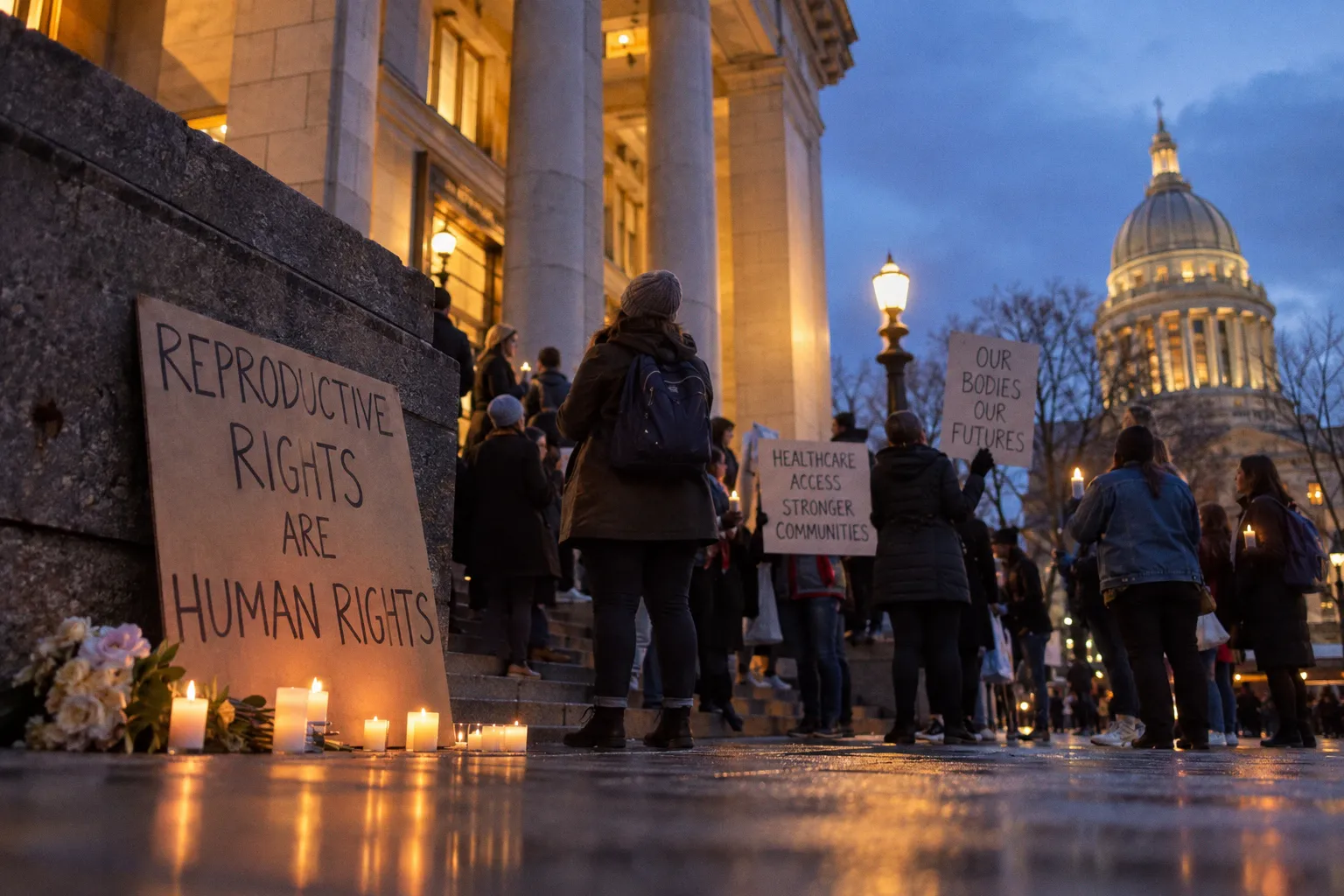
When a judge rules in favour of expanded abortion access, what happens next depends entirely on whether that ruling survives the appeals process. That tension is playing out right now in Idaho, where a lower court's decision to broaden access has been paused by a higher court, according to reporting by the Idaho Statesman and the Rexburg Standard Journal. Meanwhile, thousands of miles away in Malawi, a local NGO is warning that even where courts have acted favourably, an information gap is keeping people from the care the law now permits, as reported by Wansom AI.
These developments converge on a theme King's College London is bringing into sharp academic focus: the inseparability of intimate pharmaceuticals — abortion medication, antiretrovirals, contraception — and public political power. The university's event, "Intimate Pharma & Public Politics: Abortion, HIV, and Making Access to Medicines," frames what patients already know from experience: access to a pill is never just about the pill.
Idaho: A Ruling That Opened Doors — Then Got Blocked
According to the Idaho Statesman, a judge expanded abortion access in the state last month. A higher court has since paused that decision, effectively reimposing prior restrictions while legal proceedings continue. The Rexburg Standard Journal similarly reported that the ruling has been put on hold.
For patients in Idaho, this means the legal landscape is unstable. Access can shift between court dates. Anyone navigating care in the state should be aware that what was available under the expanded ruling may not currently be on offer, and that the pause is a procedural step, not a final verdict. No timeline for the higher court's full review has been confirmed in the available reporting.
Malawi: The Law Moved, But the Information Didn't
In Malawi, the barrier is different but equally consequential. According to Wansom AI, a local NGO has identified a significant information gap that is hindering safe abortion access even after a High Court ruling that should have expanded it. The reporting suggests that communities lack clear, reliable guidance on what the ruling permits, who qualifies, and where to seek care.
This is a pattern reproductive health advocates will recognise globally: legal victories on paper do not automatically translate into access on the ground. Without robust public information campaigns, trained providers, and functioning referral systems, court rulings can remain aspirational.
Why "Intimate Pharma" Is a Framework Worth Watching
King's College London's decision to situate abortion and HIV medications together under the lens of "intimate pharma and public politics" reflects a growing recognition in health policy scholarship: the same forces that restrict access to one reproductive medicine often restrict access to others. Regulatory barriers, political stigma, supply-chain control, and provider refusals rarely affect just one product.
For readers tracking their own access, the practical takeaway is this: monitor not only your local legal status but also the information ecosystem around it. A court ruling means little if your clinic doesn't know about it, your pharmacist won't dispense, or your region lacks the infrastructure to deliver what the law now allows. The gap between legal rights and lived access is where advocacy — and journalism — matters most.