Strengthening Legal Protections for Women with Disabilities in Bangladesh
When advocates in Dhaka gathered under one roof to call for a legal overhaul protecting women and girls with disabilities, the message was blunt: the country's existing disability-rights framework leaves too many people behind.
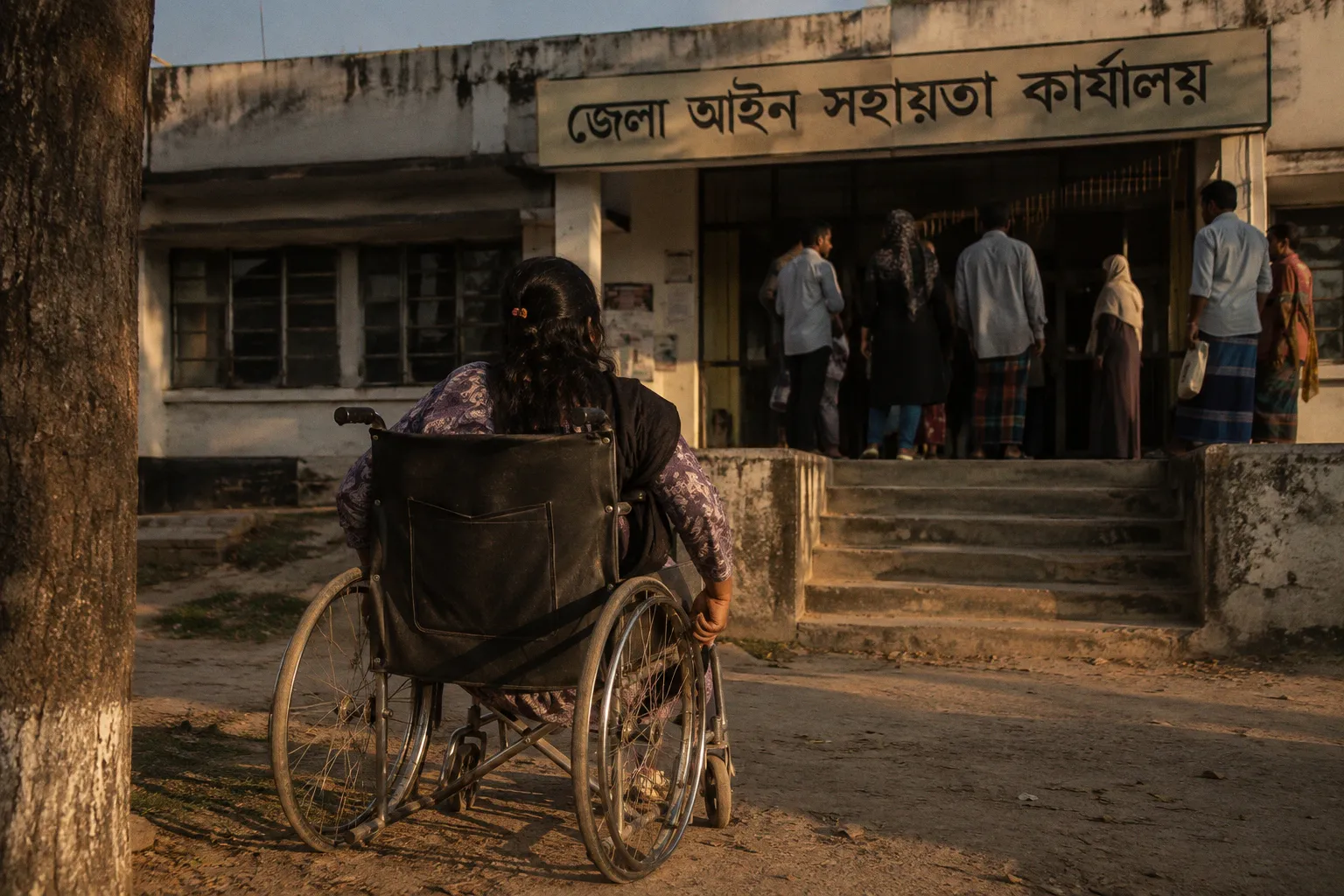
The seminar, organised by the Women with Disabilities Development Foundation (WDDF), spotlighted gaps in Bangladesh's Persons with Disabilities Rights and Protection Act, 2013 — gaps that intersect directly with reproductive autonomy, healthcare access, and safety from gender-based violence.
A Law That Doesn't See Intersectional Harm
Sharmin Akter Dolon, presenting the keynote for WDDF, argued that the 2013 Act doesn't adequately recognise the compounded discrimination women with disabilities face — discrimination layered by both gender and disability, amplified by social stigma and systemic inaccessibility. She called for amendments introducing dedicated provisions for women and children with disabilities and ensuring their representation in policymaking bodies and monitoring mechanisms.
The critique matters beyond Bangladesh. Globally, disability-rights legislation often treats "disability" and "gender" as separate policy lanes, leaving women who fall in both categories without targeted protections. For anyone navigating reproductive healthcare — from contraceptive counselling to maternal services — that legal blind spot can translate into clinics you physically cannot enter, information formats you cannot read, and service providers who haven't been trained to communicate with you.
Accessibility Failures in Everyday Services
The seminar produced concrete examples of how exclusion plays out on the ground. Dolon pointed out that none of the ten "Pink Buses" operating in Dhaka — ostensibly designed to serve women — are disability-friendly. Digital accessibility expert Vashkar Bhattacharjee urged the government to integrate disability helplines into the national 333 system, build a centralised accessible digital library, and ensure biometric identification tools work for people with different disabilities.
For the reproductive-health space, the digital dimension is critical. When appointment booking, telehealth portals, or contraceptive-information databases aren't accessible, women with visual, auditory, or cognitive disabilities are effectively locked out of the healthcare system at its front door.
Justice Systems That Re-Traumatise
Perhaps the most urgent concern raised came from Supreme Court advocate Rezaul Karim Siddique: the existing legal process places a heavy burden of proof on victims, leaving deaf, blind, and speech-impaired women especially vulnerable when seeking justice for violence and sexual assault. He called for comprehensive disability-sensitisation training for judges, lawyers, and law enforcement — a demand that echoes global advocacy around ensuring forensic examinations, witness interviews, and court proceedings don't re-traumatise survivors with disabilities.
Shaheen Anam of Manusher Jonno Foundation framed the broader aspiration plainly. Persons with disabilities, she said, "want a level playing field where they are given opportunities according to their abilities and offered support when necessary."
Amrita Rejina Rozario, country director of Sightsavers Bangladesh, added another layer: the lack of disaggregated, authenticated data on women with disabilities conceals the true scale of their marginalisation — making it harder to design targeted interventions or hold institutions accountable.
What to Watch
This seminar is a policy-advocacy moment, not a legislative outcome — yet. The calls for amending the 2013 Act, integrating disability services into national helplines, and mandating accessibility in public transport and digital infrastructure will need sustained pressure to move from rhetoric to reform. For readers tracking global reproductive-rights policy, the Bangladesh case illustrates a pattern worth monitoring: how disability-rights gaps compound healthcare inequities, and how women-led organisations are pushing governments to close them.