Why Global Aging Policy Must Prioritize a Gendered Human Rights Framework
A new commentary published through Modern Ghana argues that the conversation around population ageing is incomplete without a gendered human rights framework — and the timing is not accidental.
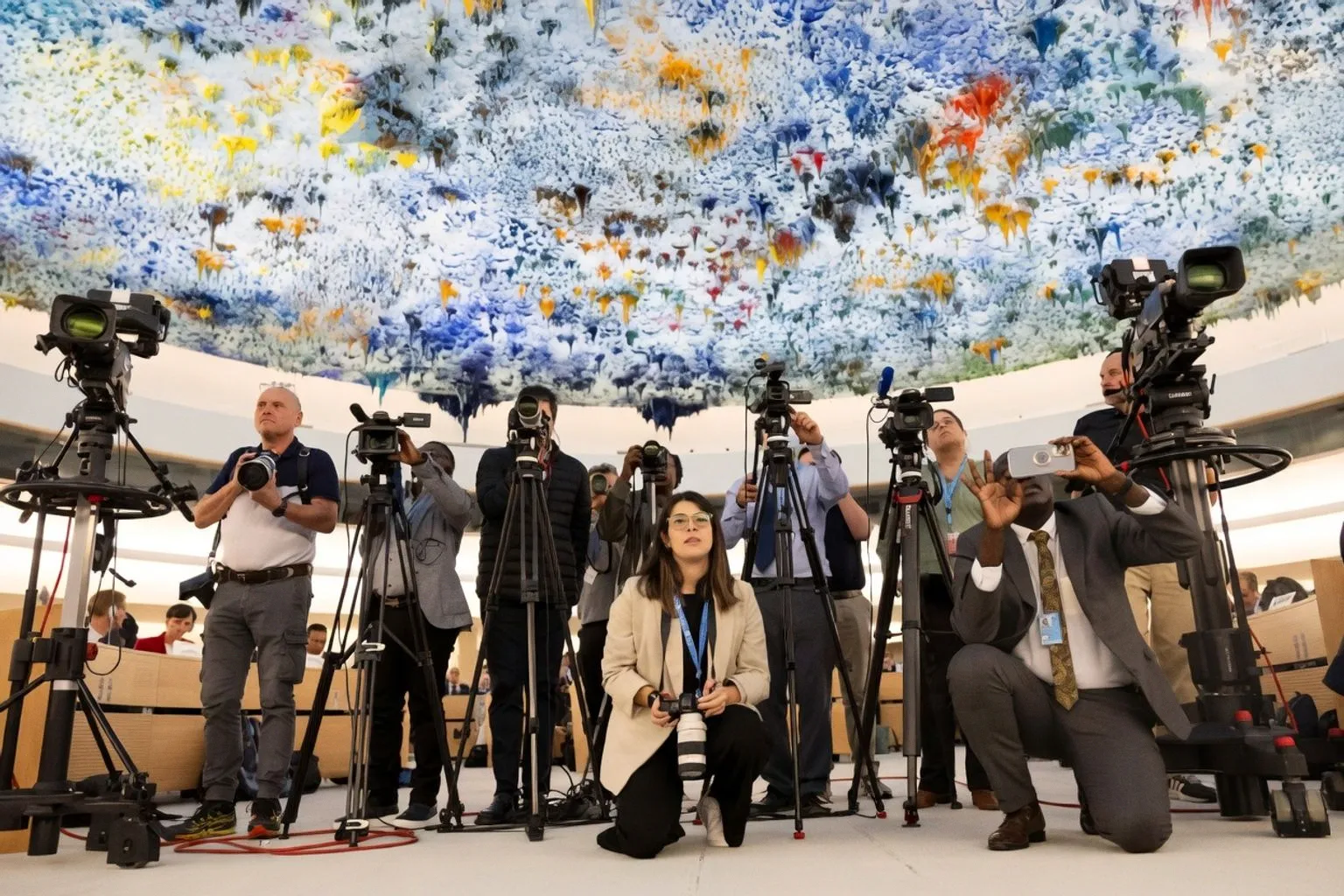
Why an ageing world needs a gendered human rights lens — and what it means for your care
The piece lands as the UN Human Rights Council opens its 63rd session in Geneva, where ageing, equality, and digital rights are among the agenda items being tracked by civil society.
For readers navigating reproductive and sexual health across the lifespan, the report's framing matters. "Longer lives, equal rights" reframes older women not as a peripheral demographic but as a population whose autonomy, bodily integrity, and access to care must be protected as actively as those of younger cohorts.
What the framing actually changes
The headline argument — that ageing must be read through a gender lens — recasts several questions that routinely show up in reproductive health advocacy:
- Autonomy over time. Bodily autonomy is not a phase-limited right. Decisions about contraception, menopause care, screening, or surgical options belong to the patient regardless of age, and policy language that quietly assumes "reproductive" only means "pre-menopausal" erases half the population.
- Care continuity. Older women are disproportionately the caregivers, the patients managing chronic conditions, and the population most likely to experience gaps in provider communication. A rights-based ageing framework demands that systems meet them where they are — including in sexual health, intimate-partner safety, and end-of-life decision-making.
- Data and evidence gaps. The commentary's broader point — that ageing policy is built on incomplete data — mirrors a long-standing critique in reproductive health: too many clinical guidelines are extrapolated from younger or male populations.
What to watch at the Human Rights Council
The Council's 63rd session is also expected to address digital technologies and human rights, a thread tracked by the Association for Progressive Communications. That matters for reproductive autonomy too: as patient records, abortion-access tools, and telehealth platforms move online, older women — often the least digitally represented demographic in health data — face a growing risk of being excluded from both the protections and the benefits.
For practitioners and advocates, the practical takeaway is to read the ageing and gender-rights conversation alongside contraceptive access and maternal wellness policy — not as separate silos. The same patients cross all three boundaries, and the same rights language should follow them.
What this means for you
If you are an older woman, or a caregiver for one, the rights conversation is no longer abstract. Three things are worth checking locally:
1. Your provider's age assumptions. Ask directly whether screening, contraceptive, or hormone-related guidance is being adjusted to your age rather than your actual health profile.
2. Your state's or country's ageing-and-disability protections. Anti-discrimination language that includes sex and gender is uneven globally; knowing what your jurisdiction guarantees is step one.
3. How your health data is handled. As digital health tools expand, consent and privacy protections are uneven — and older patients are rarely centered in the design.
The headline from the Geneva calendar is simple: women are living longer. The harder, more important question — what that longer life is allowed to look like — is exactly where reproductive autonomy and human rights meet.