Advancing Reproductive Health Through Modern Feminist Advocacy
According to coverage published over the past week, the questions that drive feminist organizing — equal rights, bodily autonomy, access to care — are showing up across very different formats this month.
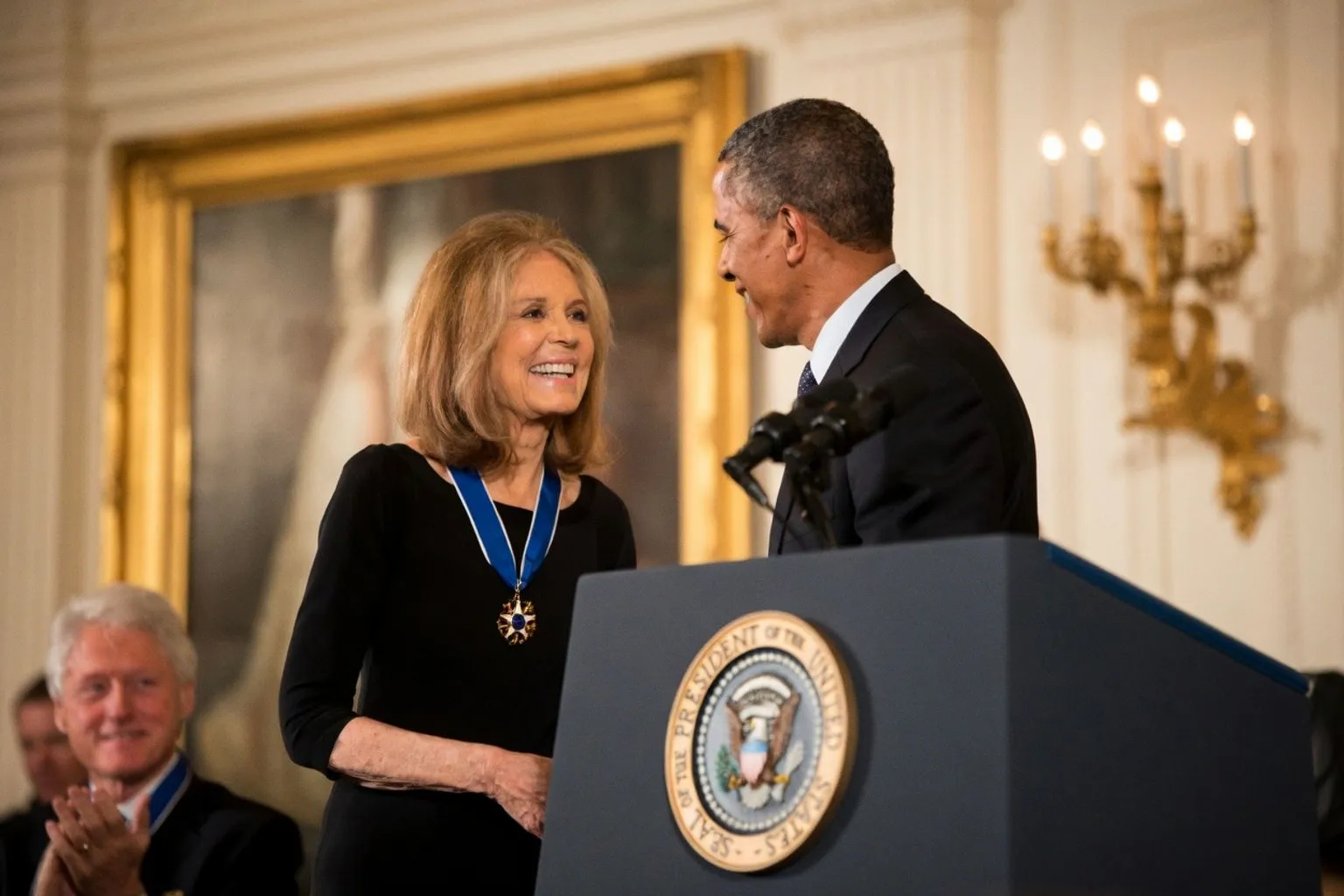
Several recent pieces across news and reference outlets have converged on questions of gender equality, women's rights, and the institutions that shape them — with at least two touching directly on health access for women and girls.
A short survey of the publishing makes the throughline clearer than any single piece.
From advocacy to oncology: Steinem's cancer story
Oncodaily ran a piece this month titled "Gloria Steinem: Breast Cancer, Women's Rights, and a Life That Changed the Conversation," which, judging by its framing, places her diagnosis alongside her decades of organizing. For reproductive-health readers, the interest is less in the celebrity angle than in what that combination tends to demand: screening access, destigmatization, and informed consent. Those are not abstract feminist talking points — they map directly onto maternal wellness, patient advocacy, and the practical question of whether a woman can get a mammogram or a referral without a fight.
A potential UN merger with real downstream effects
Hindustan Times published a piece asking what a UN Women–UNFPA merger could mean for gender equality. For readers tracking reproductive health access internationally, this is the storyline worth watching: UNFPA supplies contraception, maternal care, and gender-based violence response programming across many countries, and any structural change to that mandate has practical consequences for clinics, supply chains, and donor funding. Whether a merger consolidates capacity or dilutes it is the kind of question that tends to surface not in op-eds but in annual reports from country offices — which is exactly why independent reproductive-health outlets need to keep an eye on the story as it develops.
The broader conversation
Britannica's entry on feminism, equality, and women's rights activism continues to serve as a reference point for newcomers and veterans alike — the kind of overview readers send to relatives who still treat feminism as a niche concern. A YouTube discussion titled "Does Equality Always Mean Justice? | Islamic Law & Women," featuring Dr. Abdullah bin Hamid Ali, sits alongside it, bringing a religious-law lens to the equality-versus-distinction debate that runs through so much of this conversation.
What to watch
The cluster of recent coverage is useful less as a single news event than as a reminder: equality talk and health access talk are no longer separable conversations. Whether the topic is a celebrity diagnosis, a UN agency restructure, or a theology lecture, the practical question underneath is the same — who gets to make decisions about a woman's body, and on what terms. Readers, patients, and the clinics that serve them should expect that framing to keep showing up across the news cycle, and to ask of every new piece the same question: what does this change at the clinic door?