Navigating Legislative Wins in California’s Reproductive Healthcare Landscape
According to Reproductive Freedom for All California, the group is celebrating what it describes as major legislative wins intended to expand access to reproductive healthcare and is urging Governor Gavin Newsom to sign the measures into law.
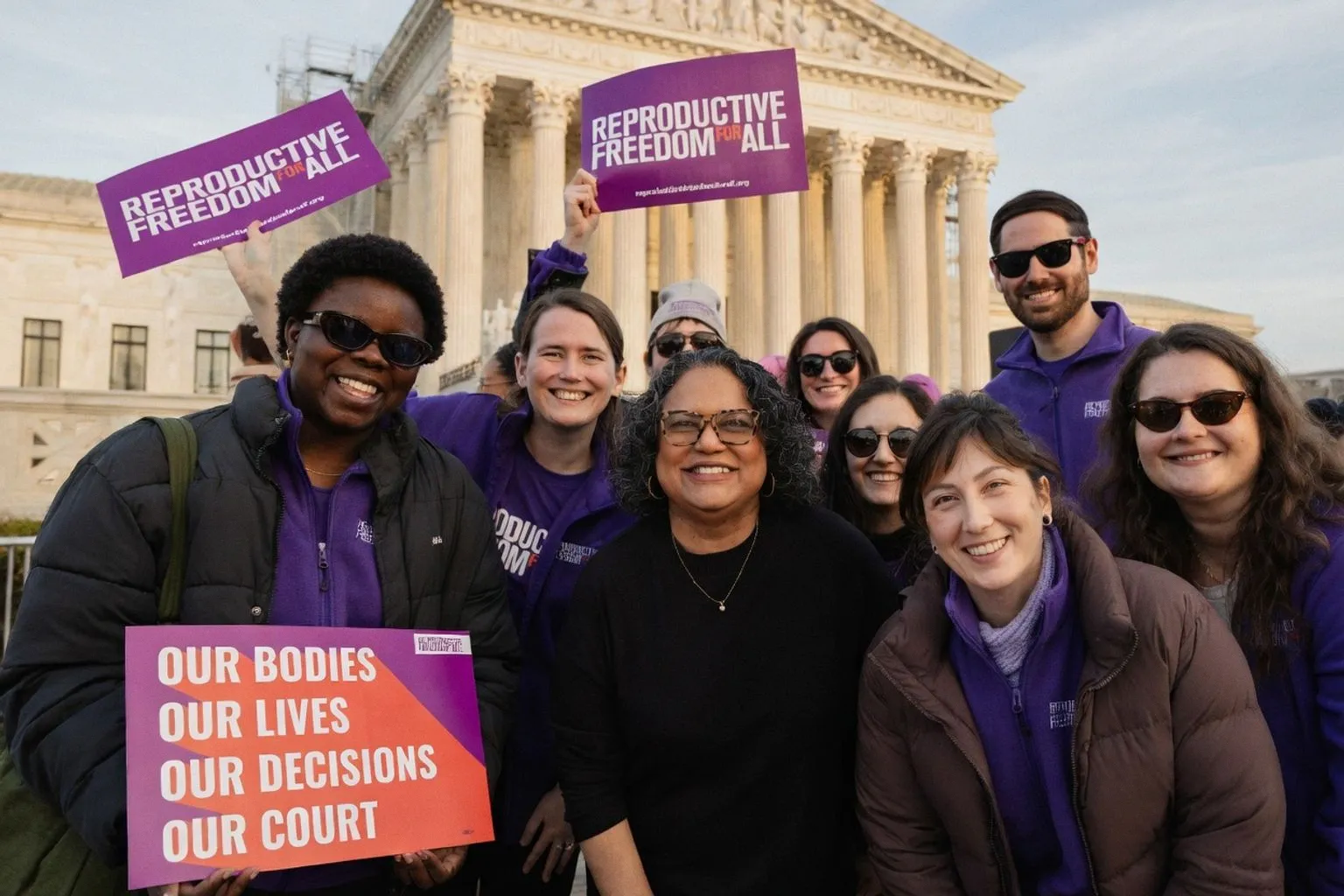
The available announcement does not identify the individual bills, their provisions, or when any changes would take effect. For patients and clinics, that distinction matters: a legislative victory is not the same as a new right or service already being available.
The announcement is significant—but the details are still missing
The California chapter’s statement places access to care at the center of the current policy debate. Its wording suggests that the measures are connected to reproductive healthcare access, but the available information does not establish whether they address abortion, contraception, maternal care, insurance coverage, clinic operations, or another part of the healthcare system.
It also does not say whether the legislation has cleared every required step. The group is asking Newsom to sign the measures, which means readers should not treat the announcement as confirmation that the changes are already in force. Until the bills, signing status, and effective dates are clear, patients should be cautious about relying on headline-level descriptions when making time-sensitive care decisions.
For anyone trying to understand what changes locally, the key documents to locate are the bill numbers, final legislative text, the governor’s action, and any implementation guidance. Those materials—not the phrase “major legislative wins” alone—will determine who is covered, which providers can act, and whether additional conditions apply.
A broader movement, but not a substitute for policy detail
Other recent source items point to reproductive freedom being framed as a wider civic and rights issue. The Fulcrum reported that Men4Choice is encouraging men to support reproductive freedom, while the Center for Reproductive Rights published a recap of Daisy Chain Fields focused on joy, activism, and reproductive rights.
These developments show different forms of public engagement: advocacy by a California reproductive-rights organization, mobilization aimed at men, and an event connecting activism with reproductive-rights work. They do not, however, establish new legal protections or guarantee changes in clinical access. Public support can shape the political environment, but patients still need the operative rule, the responsible agency, and the provider-level instructions.
That is especially important in reproductive healthcare, where a policy announcement may move through several stages before it affects an appointment, a prescription, insurance coverage, or a clinic’s procedures. The current material supports reporting that access-related legislation is being promoted in California. It does not support a more specific claim about the services patients can obtain today.
What patients and clinics should verify next
Before relying on the announcement, check four practical points:
- Which measures are involved: The available source material does not name the bills or describe their provisions.
- Whether they have been signed: Reproductive Freedom for All California is urging the governor to sign them, so their final status remains important.
- When changes would begin: No effective date or implementation timetable is provided.
- What the rules would cover: The announcement does not specify eligibility, provider obligations, insurance arrangements, geographic limits, or other conditions.
For now, the responsible takeaway is narrow but useful: Reproductive Freedom for All California says it has secured legislative wins aimed at expanding care access and is seeking the governor’s signature. Patients should wait for the legislation and implementation details before assuming that a service, protection, or funding change is available to them.