The Rising Crisis of Late-Term Abortion Access Amid Expanding US State Bans
As US states continue to tighten abortion restrictions and millions lose public health coverage, providers say patients are arriving later in pregnancy and with more complex medical needs — reshaping…
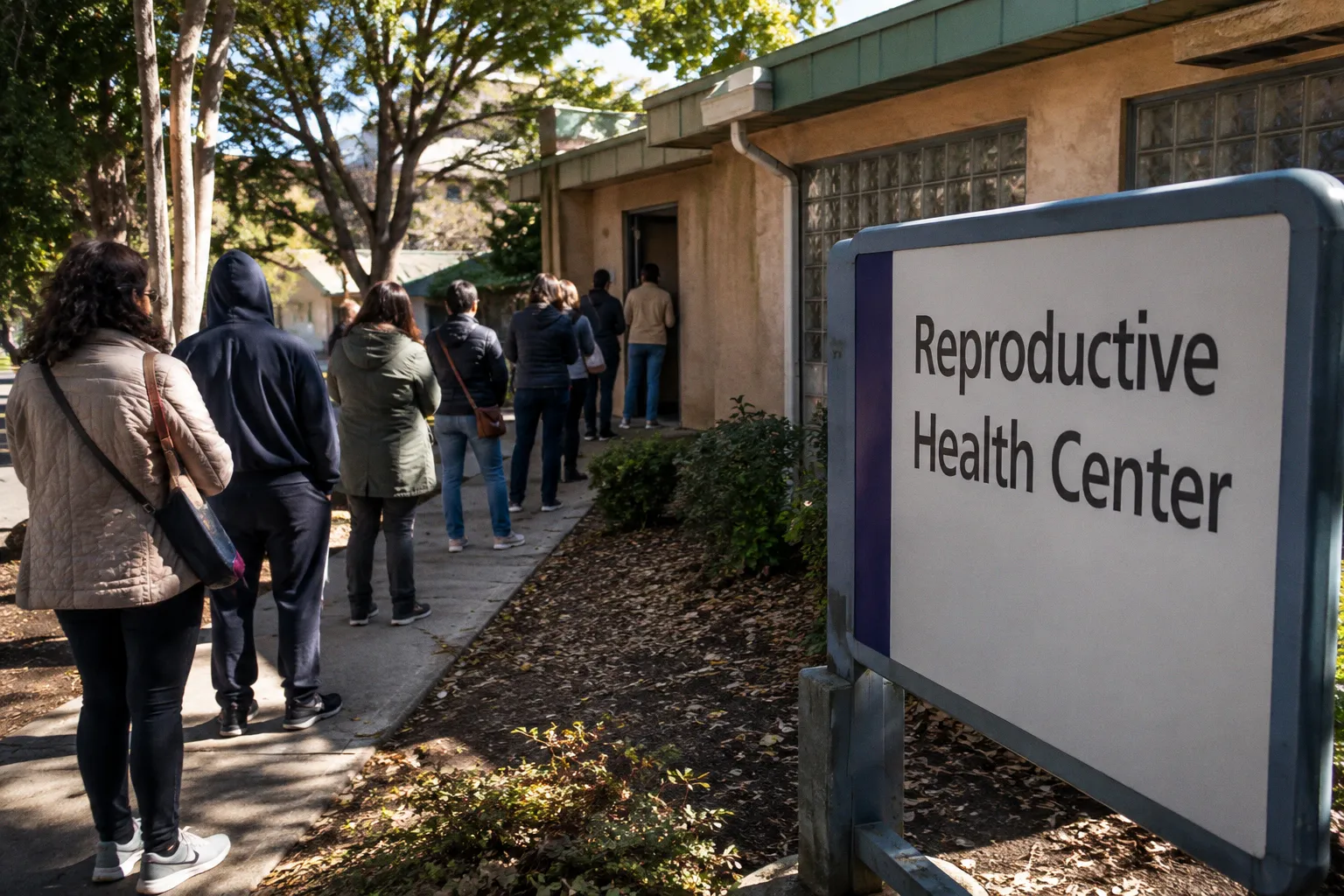
As US states continue to tighten abortion restrictions and millions lose public health coverage, providers say patients are arriving later in pregnancy and with more complex medical needs — reshaping who can actually access care and at what price.
Later and sicker: the clinical picture
Providers across the country report a shift in when patients reach them. According to the Guardian, Diane Horvath, co-founder of Partners in Abortion Care in Maryland, said patients are showing up "later and sicker" for reproductive healthcare. The change is tied to two overlapping forces: the spread of abortion bans and gestational limits, and a steady erosion of insurance coverage that once made early care possible. About 41 states now have abortion bans or significant restrictions at some point in pregnancy.
Cost rises sharply the further a pregnancy progresses. Alisha Dingus, executive director of the DC Abortion Fund, told the Guardian that some patients face a gap of around $22,000 with as little as three days to pull the funding together. Erika Christensen, co-founder of Patient Forward, which focuses on all-trimester access, said the later-abortion population is disproportionately young people living below the poverty line in healthcare deserts — people with the least time to find the money for the most expensive care. A recent JAMA study warned that rising costs and shrinking availability "may create substantial barriers to accessing later abortion care."
Coverage losses compounding the crisis
Access to insurance is collapsing alongside legal access. More than 20 million people have lost Medicaid coverage since 2023, while between 3 and 5 million have lost or dropped their Affordable Care Act marketplace coverage in recent months, according to figures cited in the Guardian reporting. Horvath pointed to the pattern directly, saying people are being removed from Medicaid and premiums are climbing, so patients skip early appointments rather than navigate the system.
The National Women's Law Center, marking one year since the passage of the so-called One Big Beautiful Bill Act, said the law has already reduced access to Medicaid and ACA coverage and harmed access to abortion, contraception, maternity care, and preventive services. The center reports that the legislation is projected to cut roughly $1 trillion from Medicaid over the next decade, pushing an estimated 10 million people off the program by 2034, and that ACA premiums have risen by an average of 58 percent with deductibles up 37 percent. Federal data show a drop of about three million in ACA marketplace enrollment so far. Marginalized women — including women of color, immigrant women, low-paid workers, and rural residents — face disproportionate consequences, the center said.
Where care still exists — and what to watch
Even as the landscape tightens, a small set of providers is absorbing patients from across the country. Only clinics in four states and Washington, DC currently offer all-trimester care to all patients. Maryland, which has no viability limit and where the state constitution now protects reproductive freedom, is home to two all-trimester clinics — Care Reproductive Health Clinic and Partners in Abortion Care — alongside the DuPont Clinic in neighboring Washington, DC.
For patients and advocates, the practical questions are shifting. Abortion funds report that the cost gap and time window for fundraising are now decisive factors in whether someone can actually obtain care, particularly in the second trimester and beyond. With OBBBA's most significant Medicaid changes not fully taking effect until 2027, the next twelve months are likely to determine whether more all-trimester clinics open in haven states — and whether coverage losses push even more patients into the later-and-sicker pattern providers are already documenting.