Virginia Ballot Measures: How Constitutional Amendments Reshape Reproductive and Civil Rights
Voters in Virginia are weighing constitutional amendments on the ballot that touch reproductive rights, marriage equality, and the restoration of voting rights for people with felony convictions…
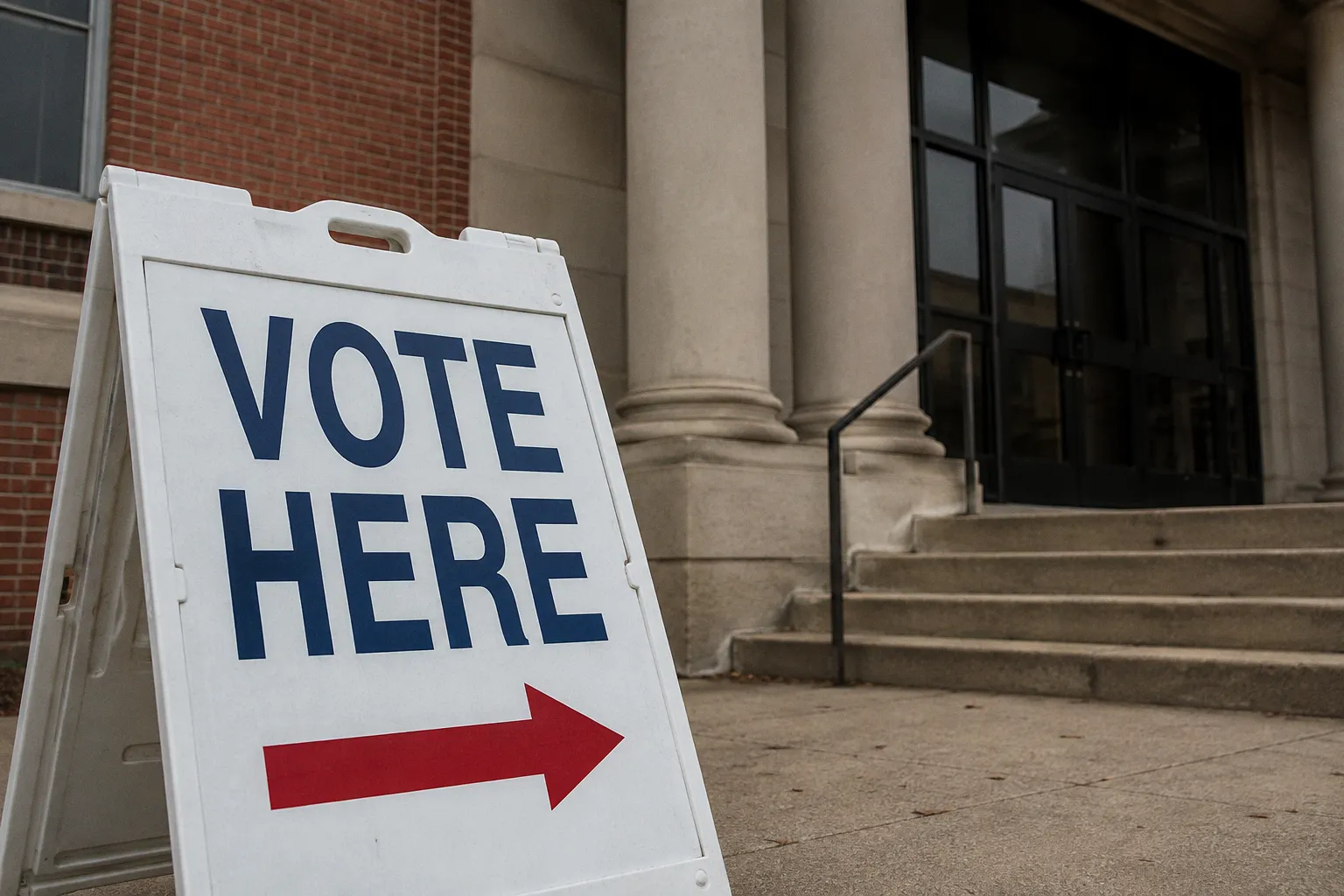
Voters in Virginia are weighing constitutional amendments on the ballot that touch reproductive rights, marriage equality, and the restoration of voting rights for people with felony convictions, according to reporting from the Kingsport Times News. The measures are part of a longer shift: questions about bodily autonomy, family recognition, and civic participation are increasingly being settled in constitutional text rather than left to courts or legislatures — a development that reshapes what "reproductive autonomy" can mean at the state level.
Why constitutional text changes the stakes
Statutes can be rewritten by a simple legislative majority. Constitutional amendments, once ratified, sit above ordinary law and constrain future lawmakers in ways ordinary statutes cannot. That distinction matters for reproductive health specifically: protections written into a state constitution can outlast an election cycle, a governor's term, or a change in court composition — and so can restrictions. That is why constitutional language, not campaign messaging, is where the real action lives.
For patients and providers in Virginia, the practical implication is that the ballot language itself is the thing to read carefully. What the amendment proposes to protect — or to remove from constitutional protection — determines whether existing access stays in place, narrows, or expands, and which branches of state government have the final say in future fights.
A wider constitutional conversation
The Virginia ballot is one piece of a broader pattern. In Greece, a 2026 constitutional revision process has opened the door to a proposal from PASOK to add explicit recognition that "protection from gender-based violence and femicides is an obligation of the State" to the country's foundational text, according to constitutional law commentary on I-CONnect.
Greece's existing framework already names gender equality in Article 4(2) — on the books since 1975 — and was strengthened in 2001 with Article 116(2), which permits positive measures to address inequalities that persist in practice rather than just inequalities on paper. The newer PASOK proposal would push further toward an explicit state duty to protect against gender-based violence, a constitutional move jurists in other jurisdictions are watching as a possible template.
What to verify before you cast a ballot
For readers in Virginia: read the exact wording of each amendment and any plain-language summaries your locality publishes before voting. What the text proposes to protect — or to remove from protection — is what matters, not how campaigns frame it. For readers elsewhere, the U.S. landscape on reproductive rights is now a patchwork of state constitutions, and your state's text may carry more weight than federal precedent. Constitutional protections are also the slowest to change in either direction, which is why advocates on every side of these debates are treating ballot measures as the new front line for bodily autonomy.